Posted on

No one can live with Swiss Chocolate!

followthethings.com
Gifts & Seasonal

“No one can live with Swiss Chocolate!”
A campaign by the Swiss NGO Erklärung von Bern (EvB, known since 2016 as Public Eye) – called ‘Mit Schweizer Schoggi kann niemand leben!’ (‘No one can live with Swiss Chocolate!’) – comprising a research report, a guide, two spoof video advertisements & a public action.
Videos embedded above in full. Download the research report here and the guide here (both in German).

Trade justice activists not only need to choose the right things to grab public attention, they also need a good sense of both place and time. Whichever country your NGO is based in, find out what its iconic commodities are – like Switzerland and chocolate. Research what its brands and manufacturers are doing to reduce exploitation in their supply chains, and launch your findings in the lead-up to an annual event where that commodity plays a huge part – like chocolate at Easter. Choose an iconic example of that commodity – like a chocolate Easter Bunny – that’s a signature product for one of your target companies – like Lindt with its Gold Bunny (the one with the bell around its neck). If it’s an human or animal character, use animation to bring it to life and invite members of the public to empathise with how ‘he’ or ‘she’ might feel if they found out the true story of their origins. Broadcast campaign ads featuring them finding this out on TV and at the cinema. Encourage people to sign a facebook petition demanding the companies’ supply chains be less exploitative – by sourcing more Fair Trade chocolate. Show that this is possible by making and selling a less explotative version of their signature commodity yourself – by printing out the petition signatures on a giant Fair Trade chocolate bar and giving that bar to the CEO of one of the worst-ranked companies at a public event. Show that your company rankings come from a solid research report based on a questionnaire sent to all of them asking what they have put in place to address the well known exploitations in their industry’s supply chains. Categorise each company’s response as ‘advanced’ (doing good things), ‘so-so’ (doing something but not enough) and ‘refused to take part’ (not returning the questionnaire). Make these rankings public and invite the companies to respond. What’s fascinating about this approach to activism is that it can effectively bring trade injustice into public debate – how supply chains work, what exploitations they contain, who and what causes them, how they can be addressed, and by whom? Companies can get cross with NGO that do this. They can argue that the assessments were unfair and inaccurate, and that they’re doing more than they are credited with. The NGOs can then publicly respond to these new claims, draw critical attention to them, question their assumptions, ask if there are deeds as well as words in them. What to many people might normally be inaccessible and overly-complicated explanations of labour rights and supply chain economics are easier can become more meaningful when things happen this way, because of the drama, the WTF-is-happening-to-things-I-love (material cultural) approach! With this example, we’re looking not at one piece of trade justice activism, but at three or four different pieces that were designed to work together (and as part of a long-running campaign, including things that have happened since). Pretty much every example of trade justice activism on our site has English as its first language. Here, we’re in Switzerland, so we’ve used online tools to translate the comments below from German and French (with a little Italian) into English. See what you think.

Page reference: Ian Cook et al (2026) No one can live with Swiss Chocolate! followthethings.com/no-one-can-live-with-swiss-chocolate.shtml (last accessed <insert date here>)

Estimated reading time: 53 minutes.

Continue reading No one can live with Swiss Chocolate!

Loading

Posted on

Those With Justice: A Disney Factory In China

followthethings.com
Gifts & Seasonal

Those With Justice: A Disney Factory In China
A short film directed by Karin Mak and translated by Jessie Wang for, and an NGO Report published by, Students & Scholars Against Corporate Misbehaviour (SACOM) & Sweatshop Watch.
Watch the film in full above. Read the report – here.

Inspired by student anti-sweatshop activism in the USA, students in Hong Kong come together to protest the opening of Hong Kong’s Disneyland. They visit the factories where the Disney merch that is going to be sold there is made. They talk to the factory workers, and are horrified by what they learn. There are dangerous and exploitative labour practices behind the happy smiling image of Mickey Mouse and Friends. One group of students – who call themselves Students and Scholars Against Corporate Misbehaviour (or SACOM) – write a report about the working conditions in four of Disney’s hundreds of Chinese supplier factories. It’s called Looking for Mickey Mouse’s Conscience – A Survey of the Working Conditions of Disney’s Supplier Factories in China. They do this with the help of a California-based NGO called Sweatshop Watch, who send a delegation to China which includes University of California Santa Cruz film studies student Karin Mak. Mak films the factory workers talking about these working conditions, and produces an 11 minute documentary called Those With Justice: A Disney Factory In China. This focuses on one of the four factories – Hung Hing Printing & Packaging – which makes children’s books for Disney. Here, she finds, the workers are constantly reminded about the delicate fingers of Western children. They mustn’t be harmed by paper cuts. That’s why they have to use dangerous hot glue presses to stick the paper covers to hardback copies of a Mickey Mouse’s Haunted Halloween book, for example. The film and the report show images of their burned, crushed and mangled fingers. These injuries are caused by equipment and the speed at which they have to work to meet their targets. Mak’s film is used by SACOM and Sweatshop Watch (and other labour rights NGOs) to launch the report. It helps this Disney sweatshop story to get traction in the international new media. Now Disney is under pressure to respond. What follows is a fascinating to-and-fro between a huge multinational corporation and a small, determined, skilful and well-connected group of Hong Kong students. This is a fascinating and important example of successful trade justice activism. Piecing the story together below, we have found a variety of factors that have contributed to this success – some planned, some not – and a fascinating discussion about what counts as ‘success’.

Page reference: Ian Cook et al (2011) Those With Justice: A Disney Factory In China. followthethings.com/those-with-justice.shtml (last accessed <insert date here>)

Estimated reading time: 56 minutes.

Continue reading Those With Justice: A Disney Factory In China

Loading

Posted on

Fight The Heist

followthethings.com
Sport & Fitness | Fashion

Fight the Heist
An NGO campaign by Global Labour Justice & the Asia Floor Wage Alliance.
Campaign videos embedded in playlist above. Campaign webpage here. Campaign report here. Campaign X feed here.

Summary paragraph to be added.

Page reference: Ian Cook et al (2025) Fight The Heist. followthethings.com/fight-the-heist.shtml (last accessed <insert date here>)

Estimated reading time: 40 minutes.

Continue reading Fight The Heist

Loading

Posted on

Santa’s Workshop

followthethings.com
Gifts & Seasonal

Santa’s Workshop
An NGO Report written by Krista Bjurling for Swedwatch and a documentary directed by Lotta Ekelund & Krista Bjurling and produced by Lotta Ekelund for Lotta Films and The Fair Trade Center.
Screenshot slideshow embedded above. Download the report here. Search online to stream the film here.

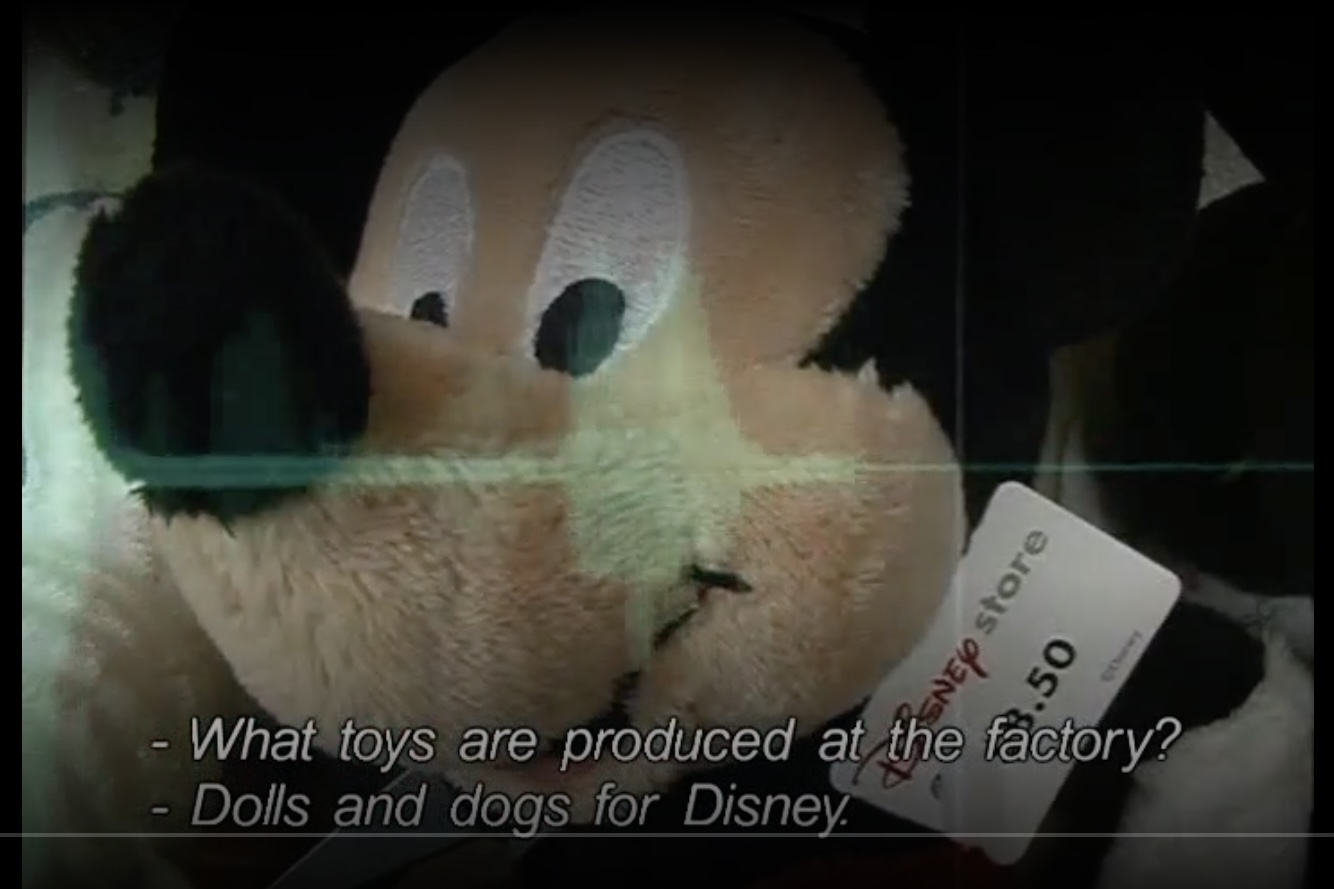
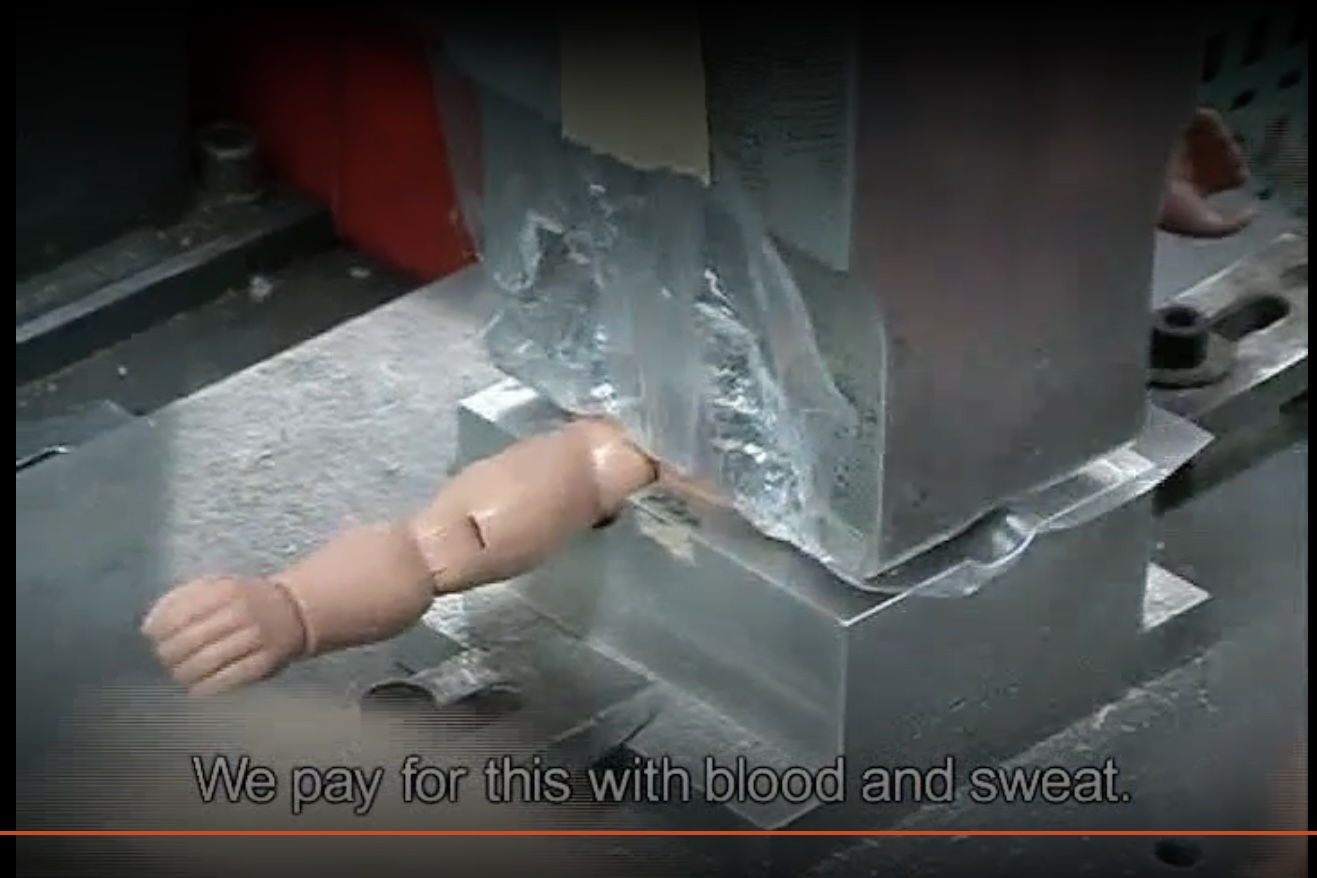
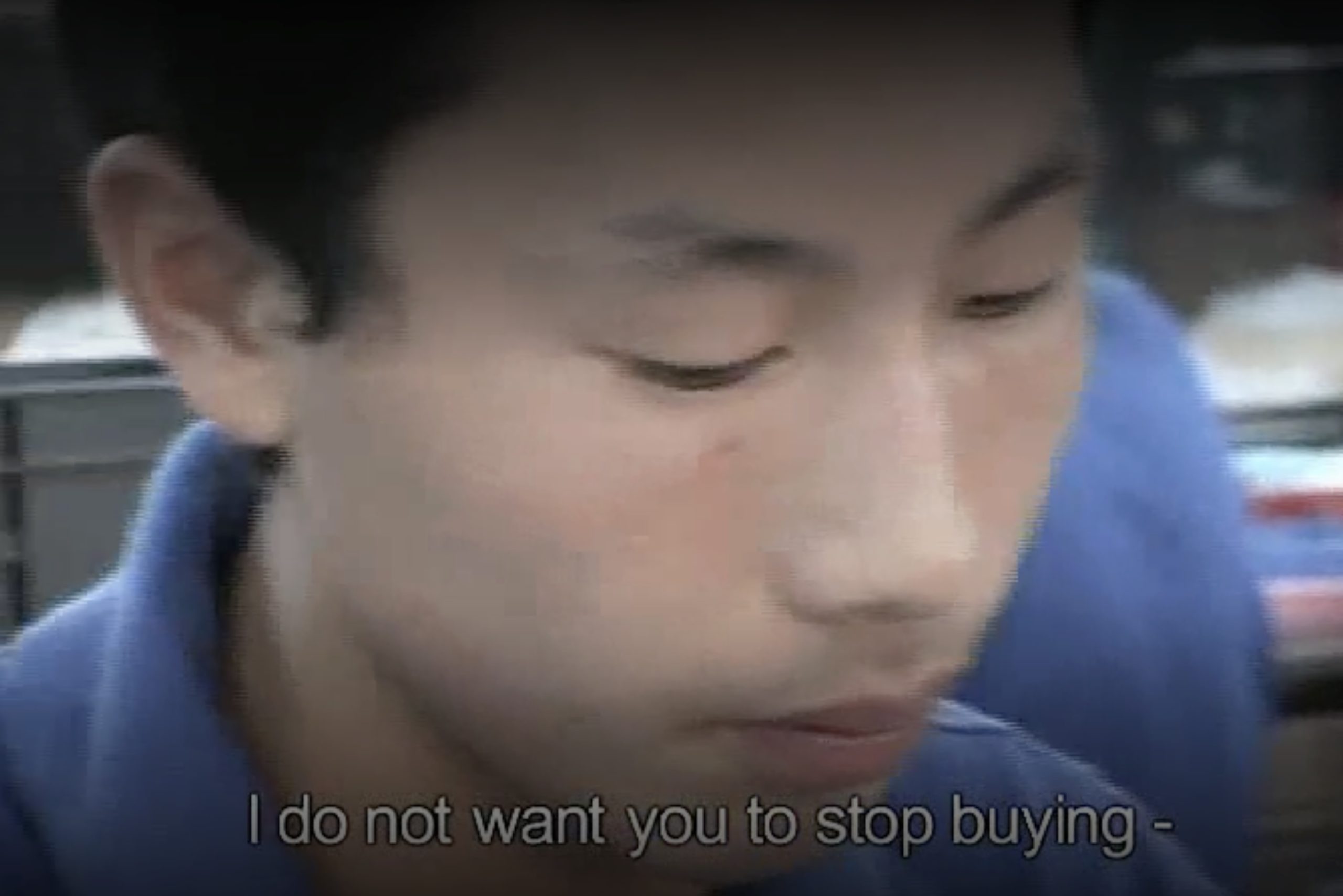
Swedish toy companies and retailers seem sure that the things they have ‘Made in China’ are produced ethically. But what can they know about working conditions from audit reports and their own factory visits? NGO Swedwatch travels to China to find out, working with local labour activists to write a report and make a short film. What they find may temporarily ruin Christmas, but can it also change the ways that consumers and companies source toys in the future? As one commenter put it, ‘It’s fascinating to watch the blame being pushed around. It’s the worker’s fault, no, it’s the factories’ fault, no, it’s the client’s fault and last but not least, it’s the customer’s fault. The head in the sand attitude is quite remarkable.’ What’s fascinating to us is that, despite one union official in the film asking consumers NOT to stop buying the toys that the workers make, for some audience members that’s the only way to respond. So what other ways can audiences react? How can filmmakers control this? Will there always be audience members who simply want to disengage?

Page reference: Matthew Chambers, Millie Daglish, Sophie Rendell, George Stapleton, Georgie Thompson & Franziska Nuss (2024) Santa’s Workshop. followthethings.com/santasworkshop.shtml (last accessed <insert date here>)

Estimated reading time: 37 minutes.

Continue reading Santa’s Workshop

Loading