Posted on

Diamonds From Sierra Leone

followthethings.com
Gifts & Seasonal

Diamonds From Sierra Leone
A music video starring Kanye West & Jay-Z, directed by Hype Williams, music by Kanye West, Jon Brion & Devo Springstein, for Roc-A-Fella Records.
Original video and remix audio embedded above.

Kanye West is writing and recording a new song commemorating the rebirth of his label Roc-A-Fella Records, including conflicts within the organisation whose hand-signal is the shape of a diamond. Q-Tip, a former member of A Tribe Called Quest, then alerts him to the ‘blood diamond’ scandal in Sierra Leone. So West changes the title of the track to ‘Diamonds from Sierra Leone’ and makes a powerful black and white music video about the supply chain linking the country’s child diamond miners to wealthy white diamond consumers shopping in high end jewellery stores in the USA. One scene parodies a 1990s De Beers’ engagement ring advert, except for the blood that drips from the engagament ring once it’s slipped onto a woman’s finger. In another, a black child’s hand appears from beneath the counter in a jewellery store and hands a diamond to the dealer to hand to a shopper. Later, West leaps from a convertable James Bond-type just before it crashes through the jewellery store window. The video ends with an on-screen plea: ‘please buy conflict free diamonds’. Some audience members point out how a diamond-encrusted mask that West wears on stage, and the bling culture he brags about, makes this plea a bit hypocritical. Others point out a disconnect between the message in the lyrics (about internal record label conflicts) and in the video (about international supply chains and trade injustice). Some core fans aren’t impressed by the track’s sampling Shirley Bassey’s ‘Diamonds Are Forever’ (or harpsichords). So, although West returns to recording more conventional tracks – like his 2005 Crack Music – that his fans want to hear, audience members do start to question the origins of their diamonds (especially after West issues a remix whose lyrics are more directly about the the topic). The video becomes a global smash which – along with Leonardo Di Caprio’s (2006) film Blood Diamond – makes this exploitative trade so public that the industry has to respond. Is this an example of celebrity-fronted trade justice activism that has succeeded, despite – or maybe because of – its flaws? Is this another Global North charity-style representation of abject, improverished life in the Global South that’s caused by guilty, and only solvable through responsible, Western consumerism? Or do its scenes of the child miners and West working together to disrupt diamond supply chains show the kind of ‘global racial solidarities’ that could be mobilised to address this trade injustice? See what you think by reading the comments below.

Page reference: Hector Neil-Mee, Hannah Willard, James Kemp, Harvey Dunshire, Maddy Morgan & Luke Jarvis (2026) Diamonds From Sierra Leone. followthethings.com/diamonds-from-sierra-leone.shtml (last accessed <insert date here>)

Estimated reading time: 86 minutes.

Continue reading Diamonds From Sierra Leone

Loading

Posted on

Santa’s Workshop

followthethings.com
Gifts & Seasonal

Santa’s Workshop
An NGO Report written by Krista Bjurling for Swedwatch and a documentary directed by Lotta Ekelund & Krista Bjurling and produced by Lotta Ekelund for Lotta Films and The Fair Trade Center.
Screenshot slideshow embedded above. Download the report here. Search online to stream the film here.

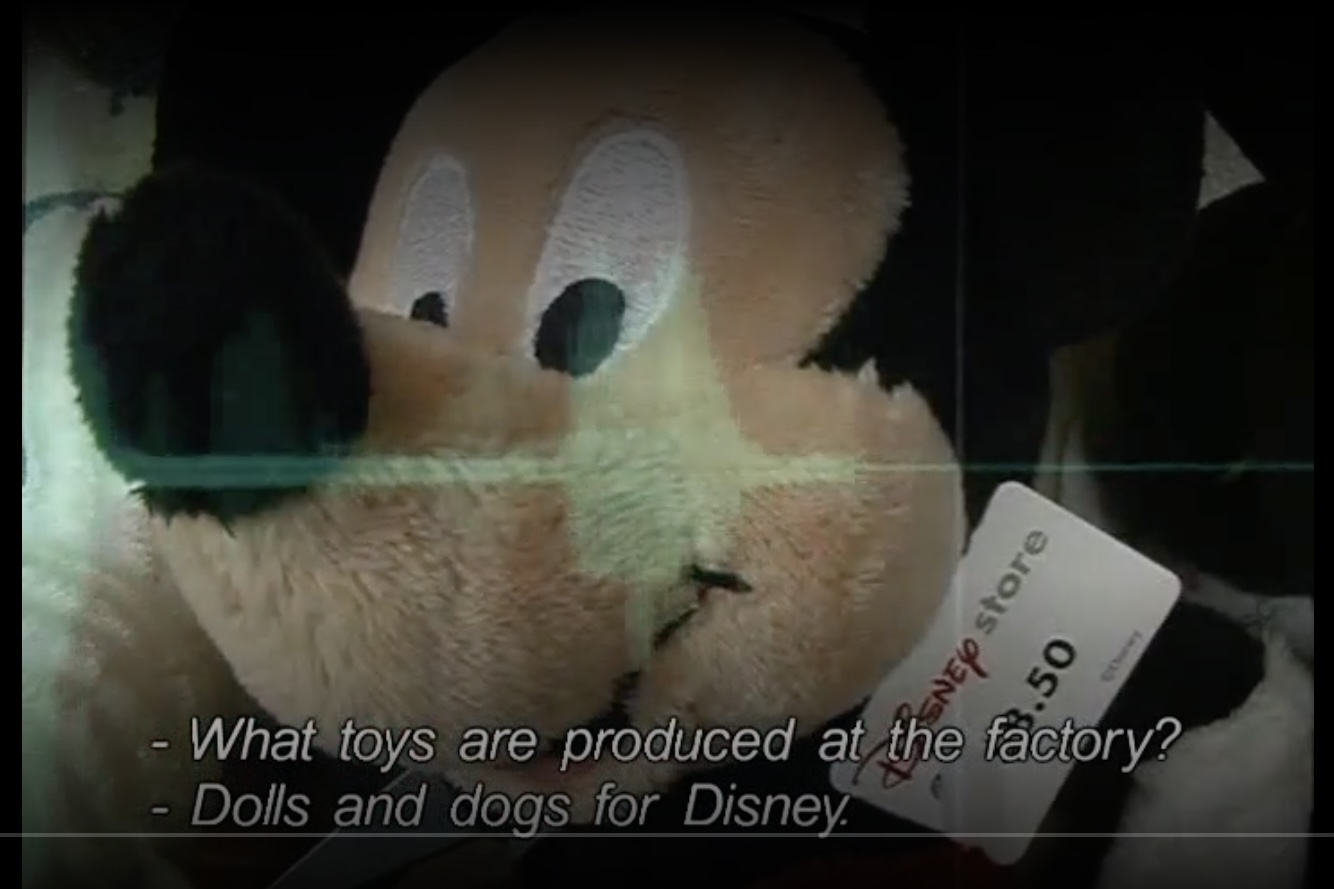
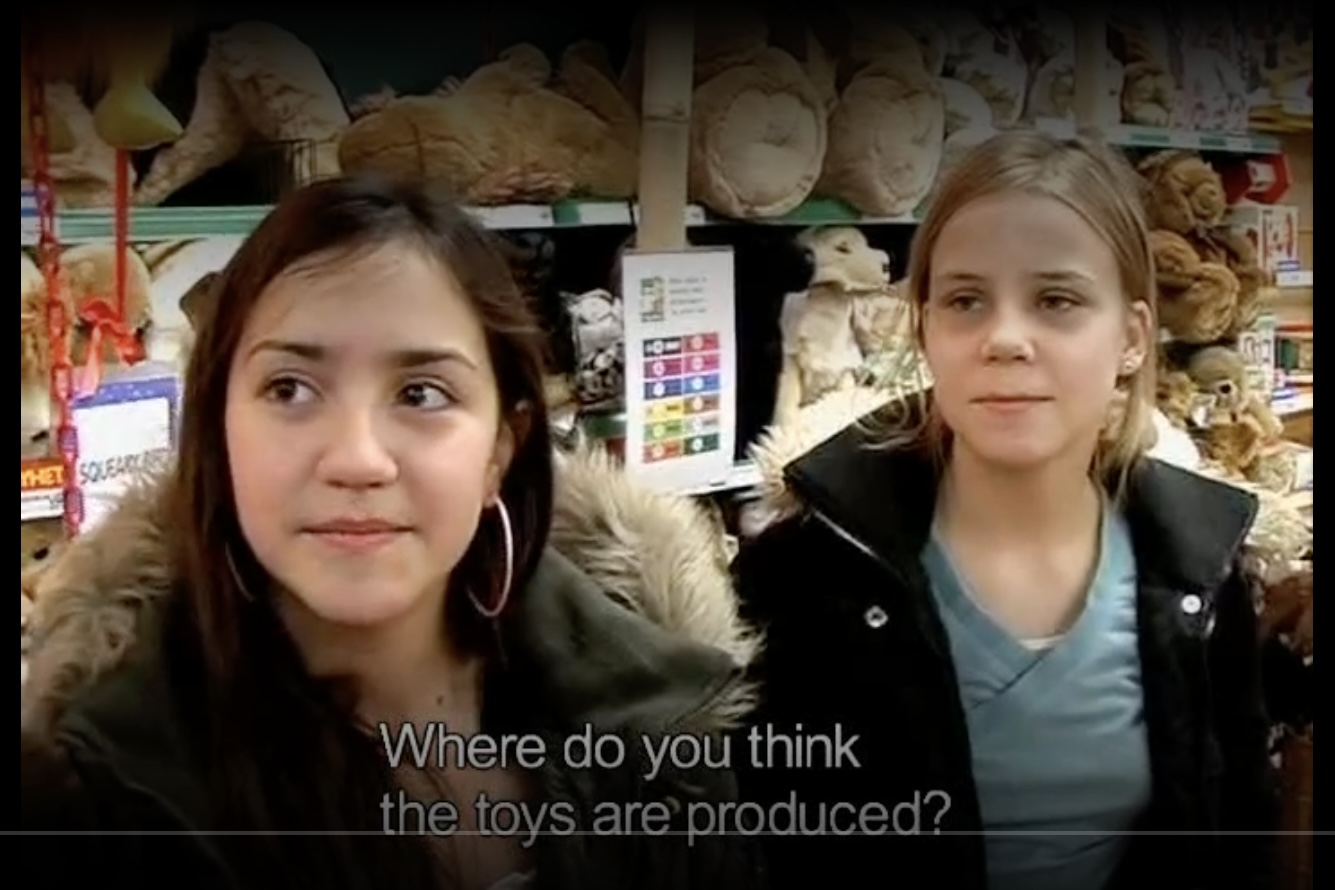
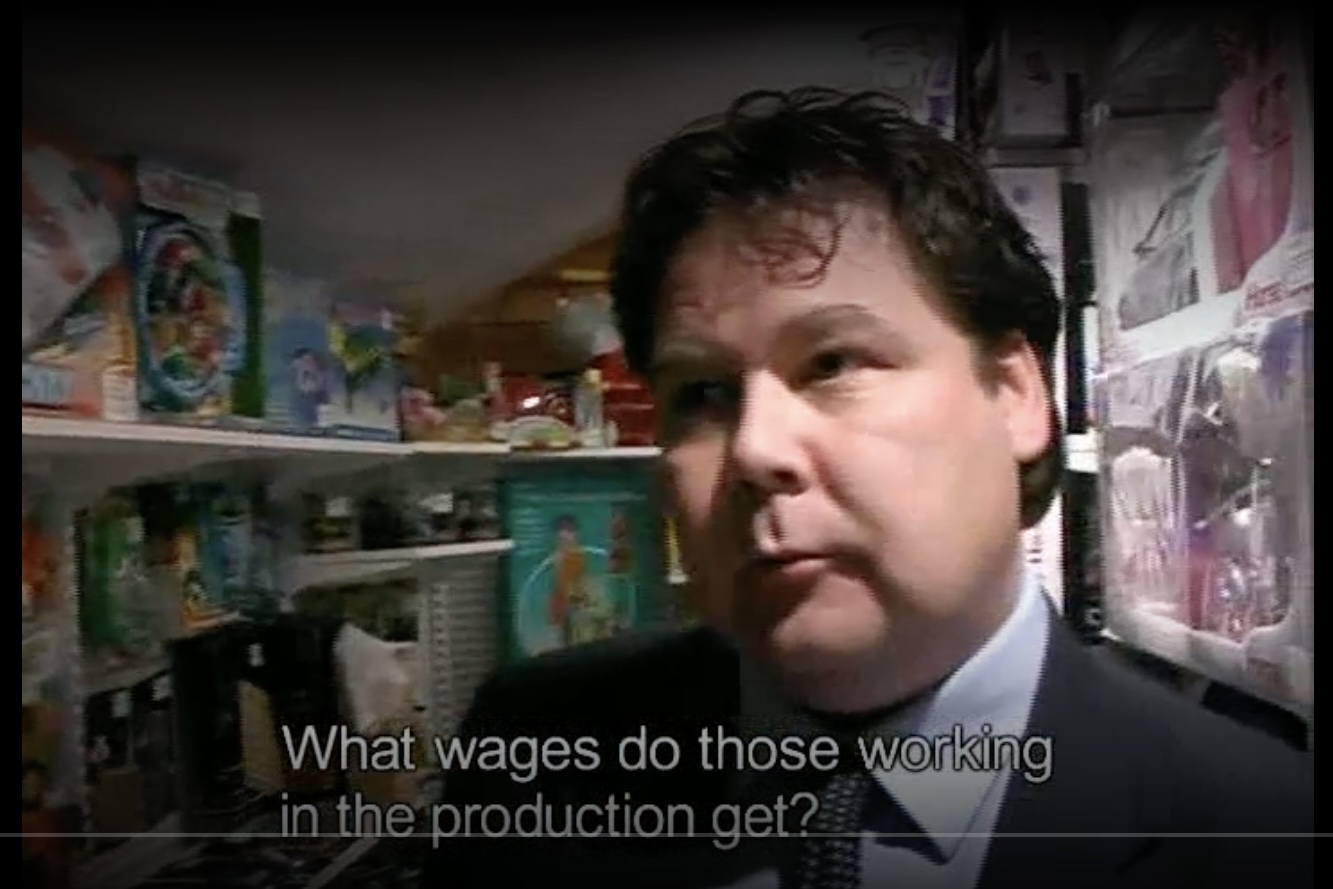
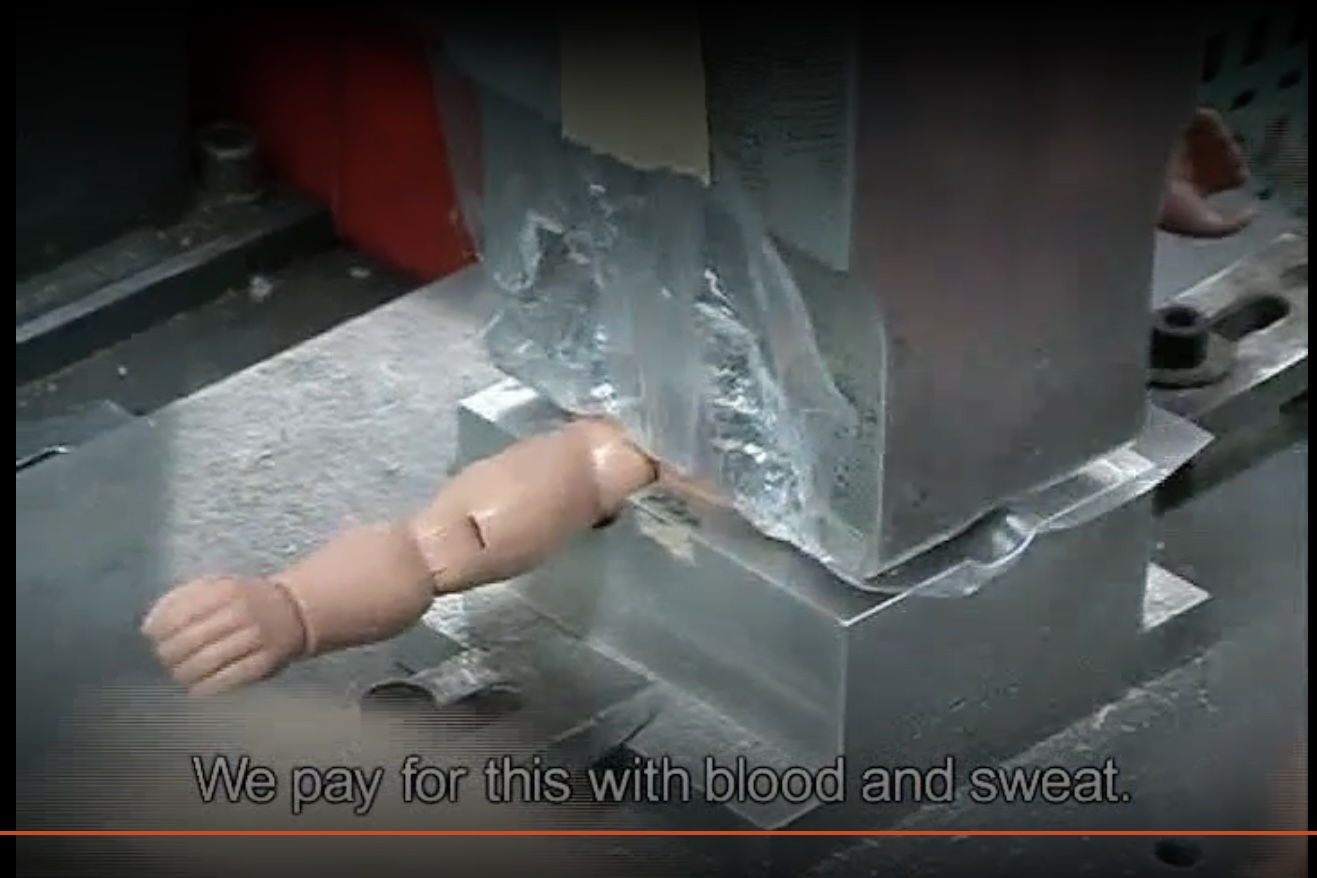
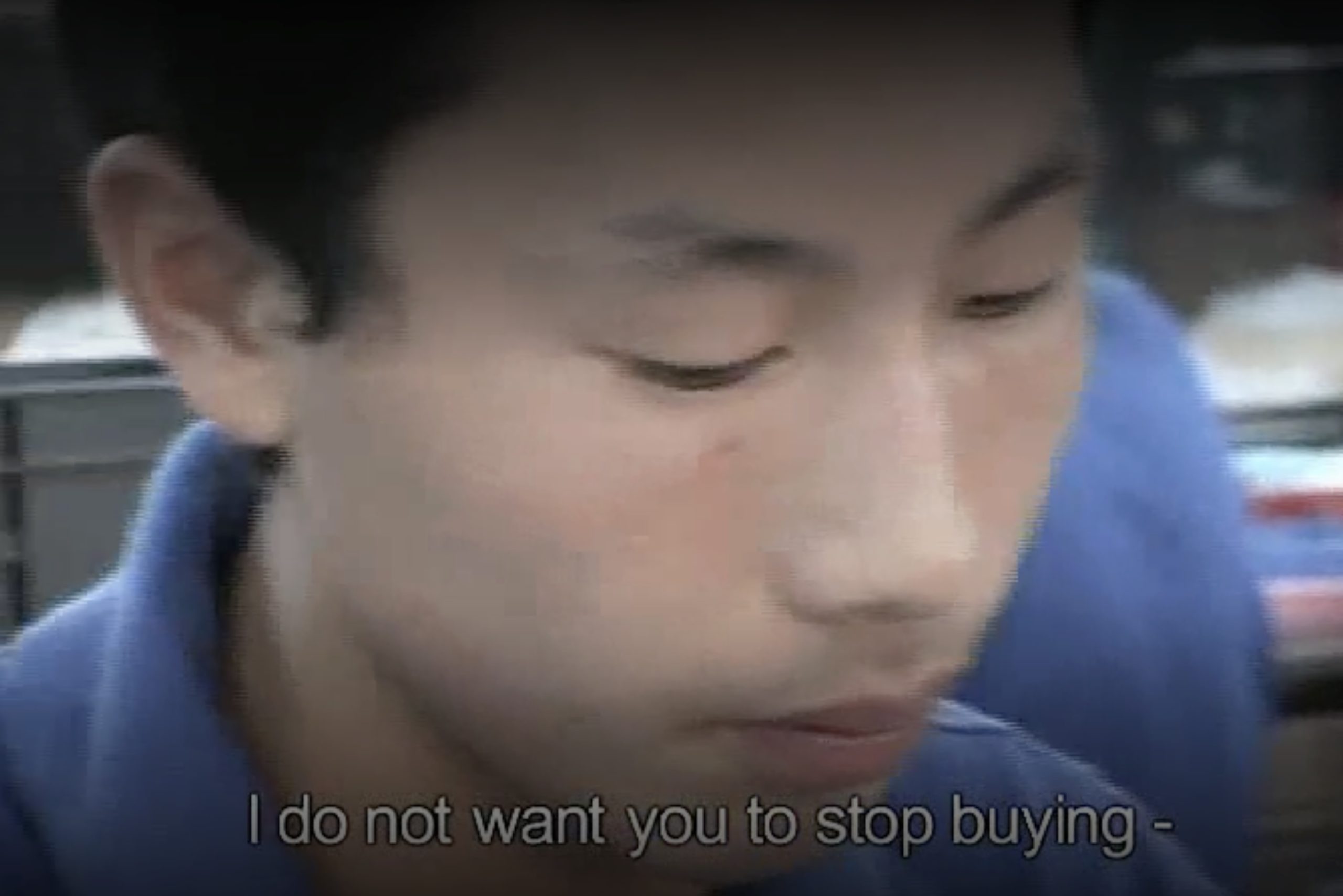
Swedish toy companies and retailers seem sure that the things they have ‘Made in China’ are produced ethically. But what can they know about working conditions from audit reports and their own factory visits? NGO Swedwatch travels to China to find out, working with local labour activists to write a report and make a short film. What they find may temporarily ruin Christmas, but can it also change the ways that consumers and companies source toys in the future? As one commenter put it, ‘It’s fascinating to watch the blame being pushed around. It’s the worker’s fault, no, it’s the factories’ fault, no, it’s the client’s fault and last but not least, it’s the customer’s fault. The head in the sand attitude is quite remarkable.’ What’s fascinating to us is that, despite one union official in the film asking consumers NOT to stop buying the toys that the workers make, for some audience members that’s the only way to respond. So what other ways can audiences react? How can filmmakers control this? Will there always be audience members who simply want to disengage?

Page reference: Matthew Chambers, Millie Daglish, Sophie Rendell, George Stapleton, Georgie Thompson & Franziska Nuss (2024) Santa’s Workshop. followthethings.com/santasworkshop.shtml (last accessed <insert date here>)

Estimated reading time: 37 minutes.

Continue reading Santa’s Workshop

Loading

Posted on

Simpson’s couch gag (series 22, episode 3)

followthethings.com
Fashion | Gifts & Seasonal

Simpson’s couch gag (series 22, episode 3)
An animated ‘couch gag’ intro to an episode of The Simpson’s directed by Banksy & produced by Matt Groening for 20th Century Fox.

Every episode of The Simpsons opens with a ‘couch gag’. The one in episode 3 of series 22 is guest-directed by the British graffiti artist Banksy. Starting as usual with a tour of Springfield which ends with the Simpson family sitting on their couch in front of the TV, it then takes viewers into the unbelievably exploitative South Korean sweatshops where the show’s animators work and Simpsons merchandise – including t-shirts, toys and DVDs – is produced. This gag clearly doesn’t show exploitation that’s happening along 20th Century Fox’s real world supply chains. Ranks of animators don’t work in grim and grimy sweatshop conditions with child labourers, rats and toxic chemicals. Unicorns don’t punch the holes in their DVDs. And the tongues of severed dolphin heads don’t lick the tape that seals warehouse boxes. The animators pointed this out afterwards. So what was Banksy trying to say? Lots of people speculated online.

Page reference: Will Davies, Thomas Edwards, Joseph Englert, Chris Henshall, James Osbaldeston, Jack Parkin, Michael Swann & Aidan Waller, (2018) Simpson’s couch gag (series 22, episode 3). followthethings.com/simpsons-couch-gag.shtml (last accessed <insert date here>)

Estimated reading time: 32 minutes.

Continue reading Simpson’s couch gag (series 22, episode 3)

Loading

Posted on

No Pride In Primark

followthethings.com
Fashion | Gifts & Seasonal

No Pride In Primark
Popular activist campaign against Primark’s ‘Pride’ clothing & accessories made in anti-LGBTQ+ countries.
To see what sparked this, watch Primark’s promotional video above.

UK LGBTQ+ rights charity Stonewall collaborates with high street fashion retailer Primark on its 2018 ‘Pride’ range of clothing and accessories. They will be sold throughout Europe and North America and 20% of their profits will go to Stonewall. But none of the proceeds will go to the organisers of Pride celebrations, some of whom are struggling for money. And many of the countries in which this ‘Pride’ merch is being made – like Turkey, Myanmar & China – ban LGBTQ+ events and NGOs and imprison people for homosexuality. So what should Primark & Stonewall do? Where should people shopping for Pride merch go? And what’s it like to be an LGBTQ+ worker in Turkey, Myanmar or China making t-shirts and other merch that ‘celebrates what you are not allowed to be’? These are the questions asked by social media critics and the journalists who pick up their criticisms. It’s not a huge orchestrated campaign. No NGO or other organisation orchestrates it. Nevertheless, it becomes a notorious case of a high street brand ‘pink-washing’ (a form of ‘woke-washing’) their supply chain operations. In the wake of these criticisms, Primark continues to support LGBTQ+ organisations in many countries, but has it addressed the crackdowns on LGBTQ people in those countries where its rainbow merch is made? Should it withdraw its orders from these countries? Or keep working there, supporting – via Stonewall and other organisations – the LGBTQ+ organisations and workers who need it? Does it do so? And how can it convince the media, activists and consumers that it’s doing so? LGBTQ+ people represent a big market for clothing sales.

Page reference: Ian Cook et al (2024) No Pride In Primark (taster). followthethings.com/no-pride-in-primark.shtml (last accessed <insert date here>)

Estimated reading time: 15 minutes.

Continue reading No Pride In Primark

Loading

Posted on

Mardi Gras: Made In China

followthethings.com
Fashion | Gifts & Seasonal

Mardi Gras: Made In China
A documentary film directed by David Redmon for Carnivalesque Films.
First five minutes embedded above. Search online for streaming availability here.

During the Mardi Gras celebrations in New Orleans, USA, a tradition has emerged in which women who bear flesh have strings of plastic beads thrown at them to wear. Filmmaker David Redmon films this revelry and travels to Fuzhou, China to meet the ‘easy to control’ women who make those beads. He films their high speed, low wage, work and returns to New Orleans to show this footage to drunken revellers. He’d done the same thing in Fuzhou, showing the factory workers how the beads they made were ‘consumed’. The film connects women in China making plastic beads for women in the USA to wear, but under very specific, throwaway circumstances. So what were their reactions to seeing these hidden relationships? How did they make sense of this? Or push it to one side? Or find it funny? What happens when labour exploitation meets carnival excess? Where did these beads go afterwards? Who cleaned them up as trash? Why were they sent to US military personnel in Iraq in care packages? And did those factory workers really tell the director that their jobs were fun and well paid? Who can you trust to translate what people tell you? All of these dramas generated heated debate. Not least about trade justice activism like this being a ‘buzzkill’. But what’s the way forward? The film doesn’t suggest one.

Page reference: Grace Chu, Stephanie Hong & Jasmine Lee (2014) Mardi Gras: Made In China. followthethings.com/mardi-gras-made-in-china.shtml (last accessed <insert date here>)

Estimated reading time: 53 minutes.

Continue reading Mardi Gras: Made In China

Loading