Posted on

Flip-flop: a journey through globalisation’s backroads

followthethings.com
Fashion

“Flip-Flop: A Journey Through Globalisation’s Backroads“
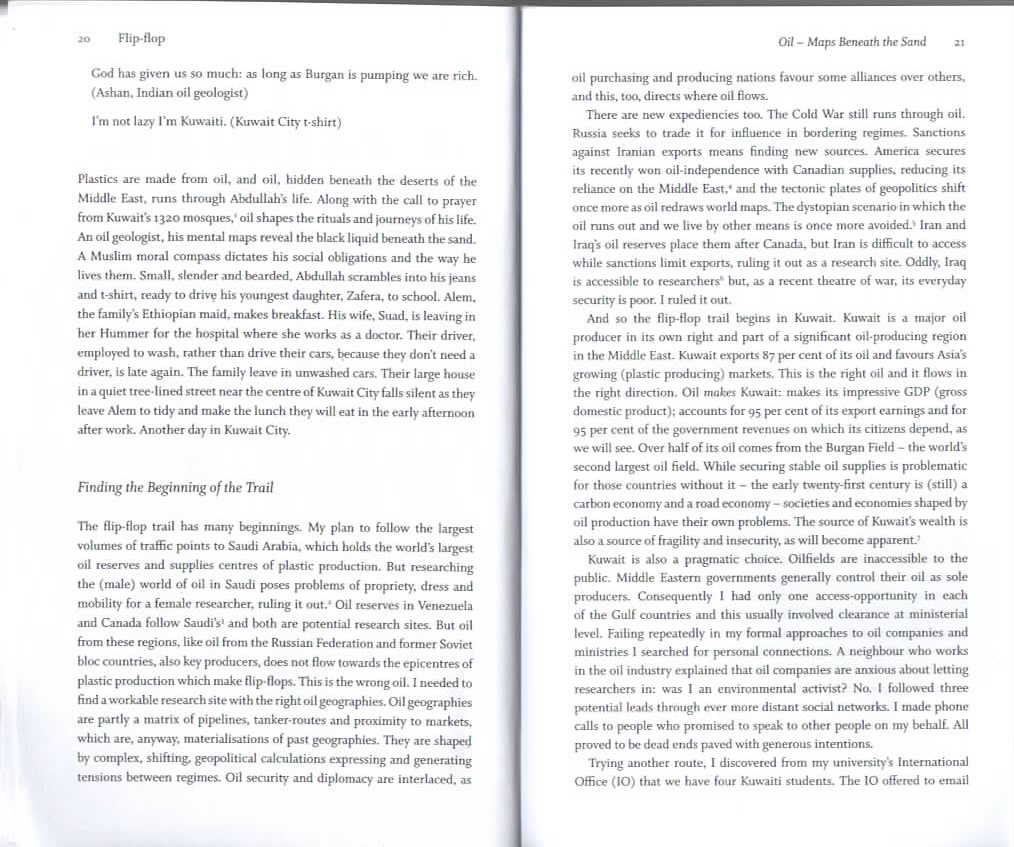
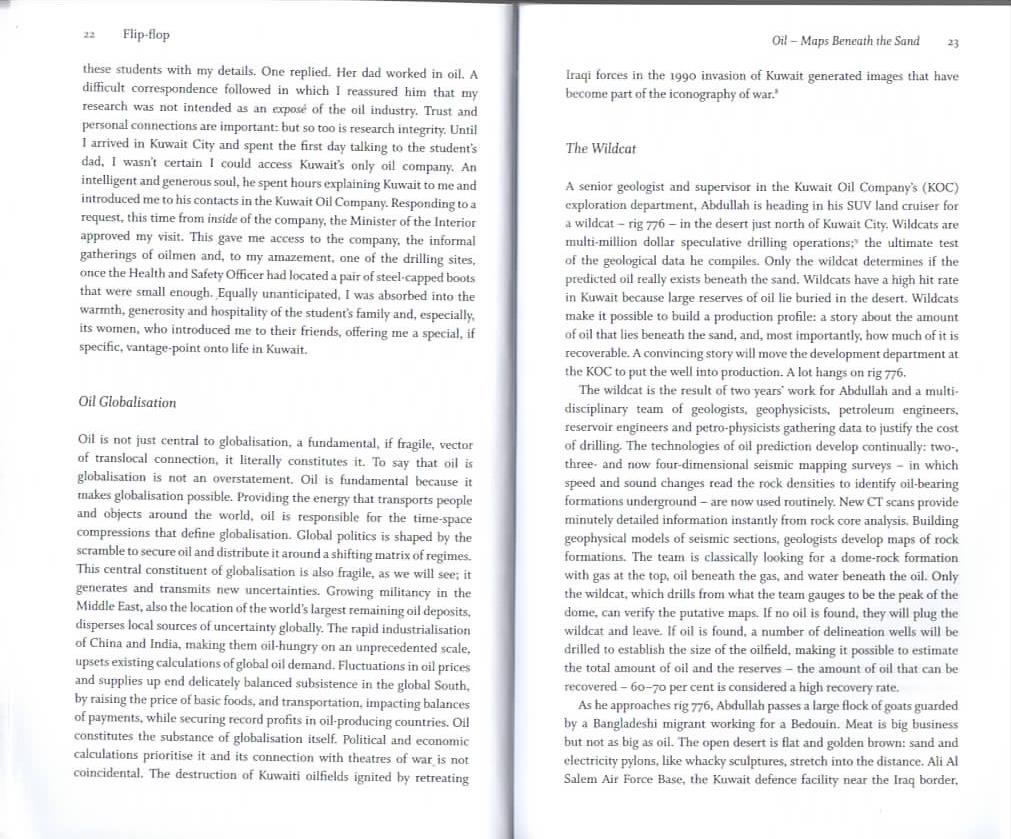
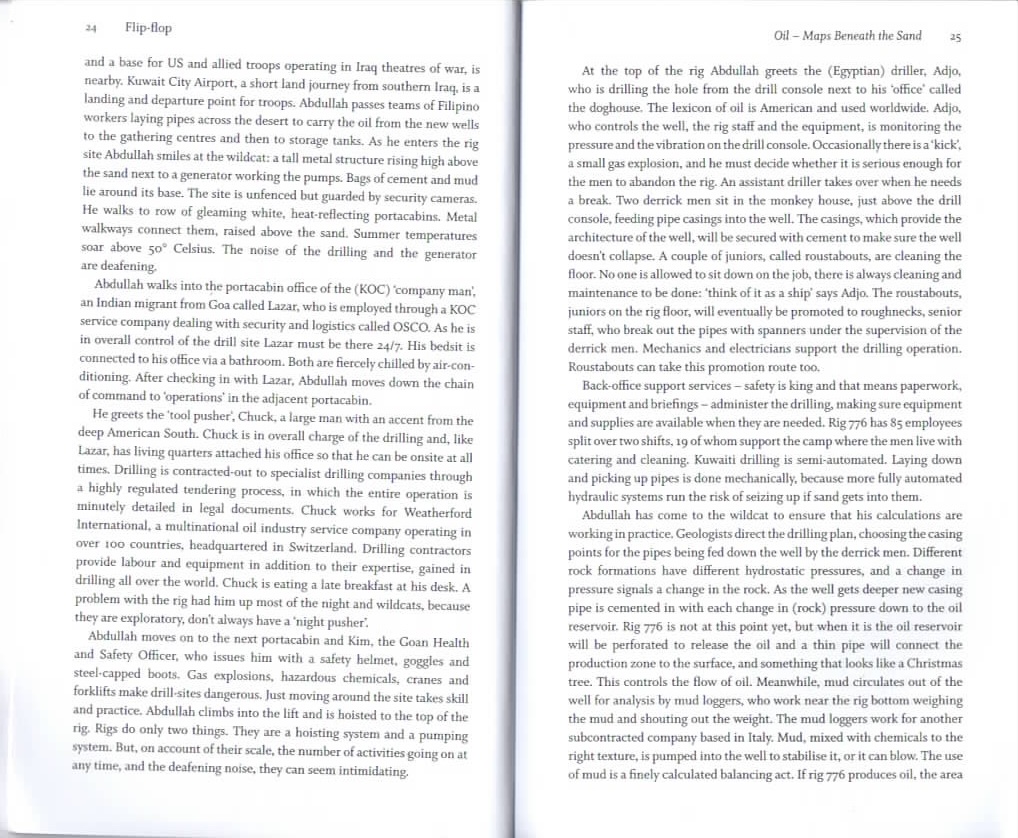
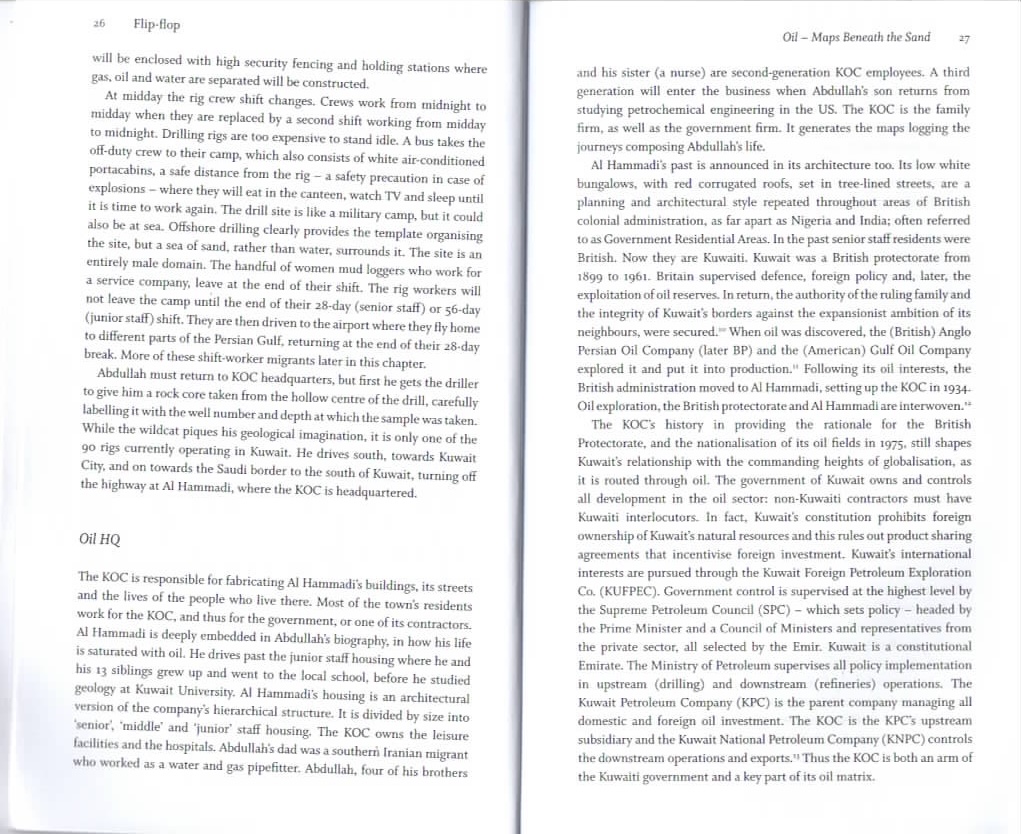
A multi-sited ethnographic research monograph by Caroline Knowles (with photographs by Michael Tan), published by Pluto
Preview above. Available from good bookstores. Website here.

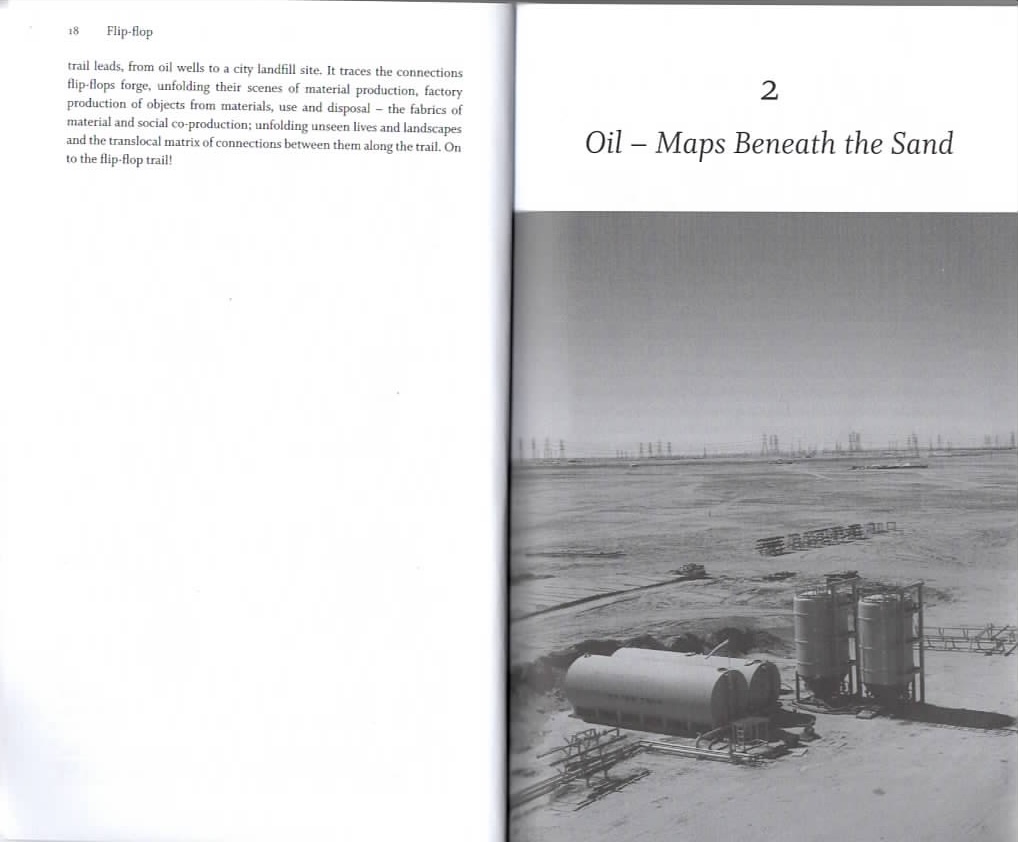
When academics, journalists, filmmakers and other thing-followers choose the commodity they will delve into, it’s often something important, something they couldn’t live without. Caroline Knowles takes a different approach, choosing something she doesn’t think about much, something that’s sitting at the back of her closet, something she uses only occasionally. It’s a great idea. Following different commodities brings lots of different materials, places, and people together in one story. There will inevitably be surprises. But she’s not following them back from her closet to the factories where they were made in the Global South. She’s following them forward. From the oil wells of Kuwait, to the petrochemical plants in South Korea that turn this oil into the right kind of plastic that can be shipped as granules, to the factories in China where they are turned into flip-flops, which are then shipped for sale and walking about in Ethiopia. She uses this on-the-ground following to reflect on globalisation. It’s a more complex process than many think it is. It looks this way when you follow things, especially if you de-centre the Western consumer, follow South-South trade, and connect different sites, people and places. The ‘guilty Western consumer’ is nowhere to be seen. So what can this approach tell us about trade justice? In what ways might it be, and contribute to, its activism?

Ian Cook et al (2026) Flip-Flop: A Journey Through Globalisation’s Backroads (under construction). followthethings.com/flip-flop.shtml (last accessed <insert date here>)

Estimated reading time: tbc minutes.

Continue reading Flip-flop: a journey through globalisation’s backroads

Loading

Posted on

Primark – On The Rack

followthethings.com
Fashion

“Primark – on the rack“
A documentary film presented by Tom Heap & produced by Frank Simmonds with Dan McDougall for BBC TV’s Panorama series.
Screenshot slideshow of the contested scene embedded above. Watch on Box of Broadcasts (with institutional login) here.

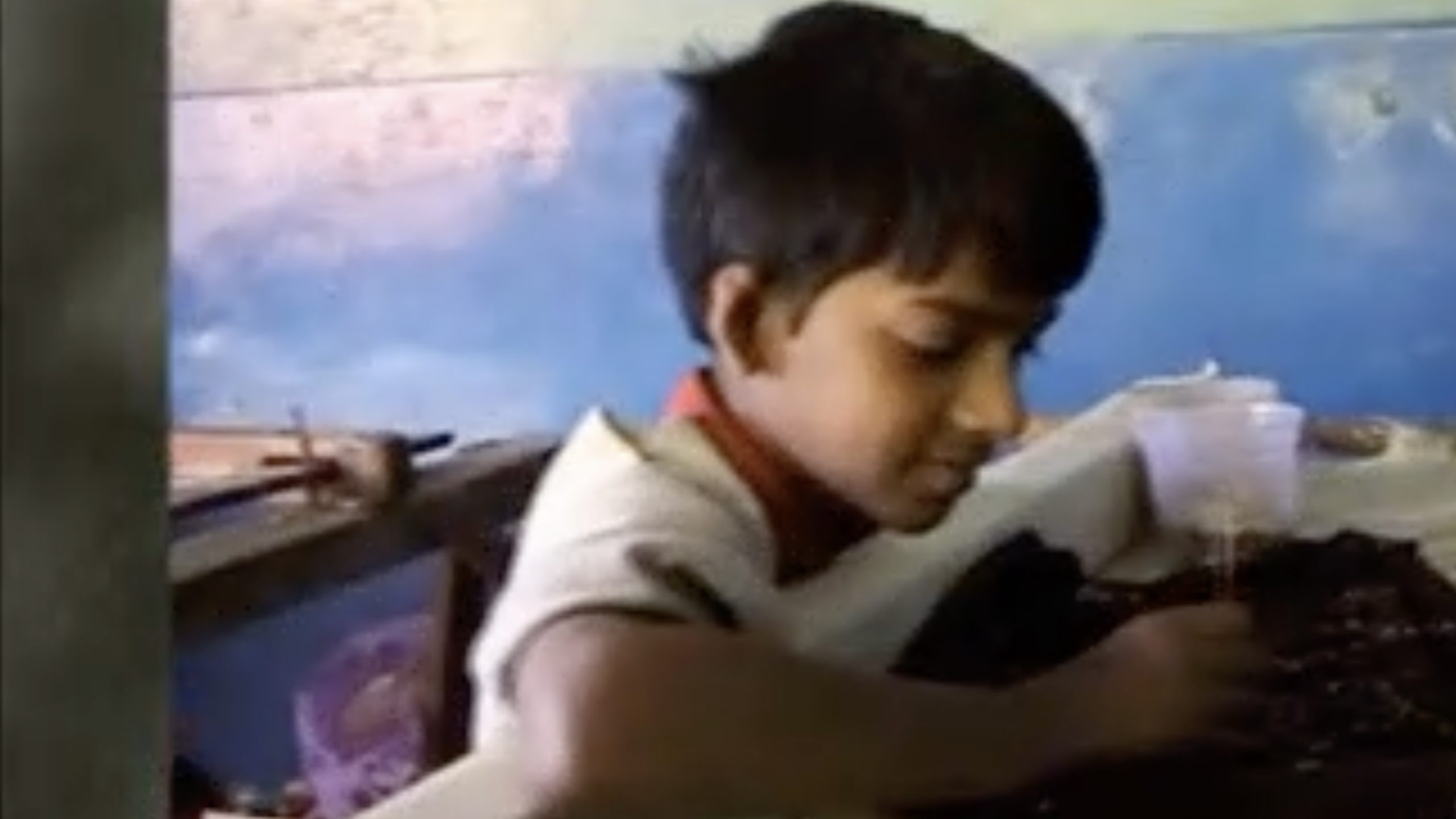
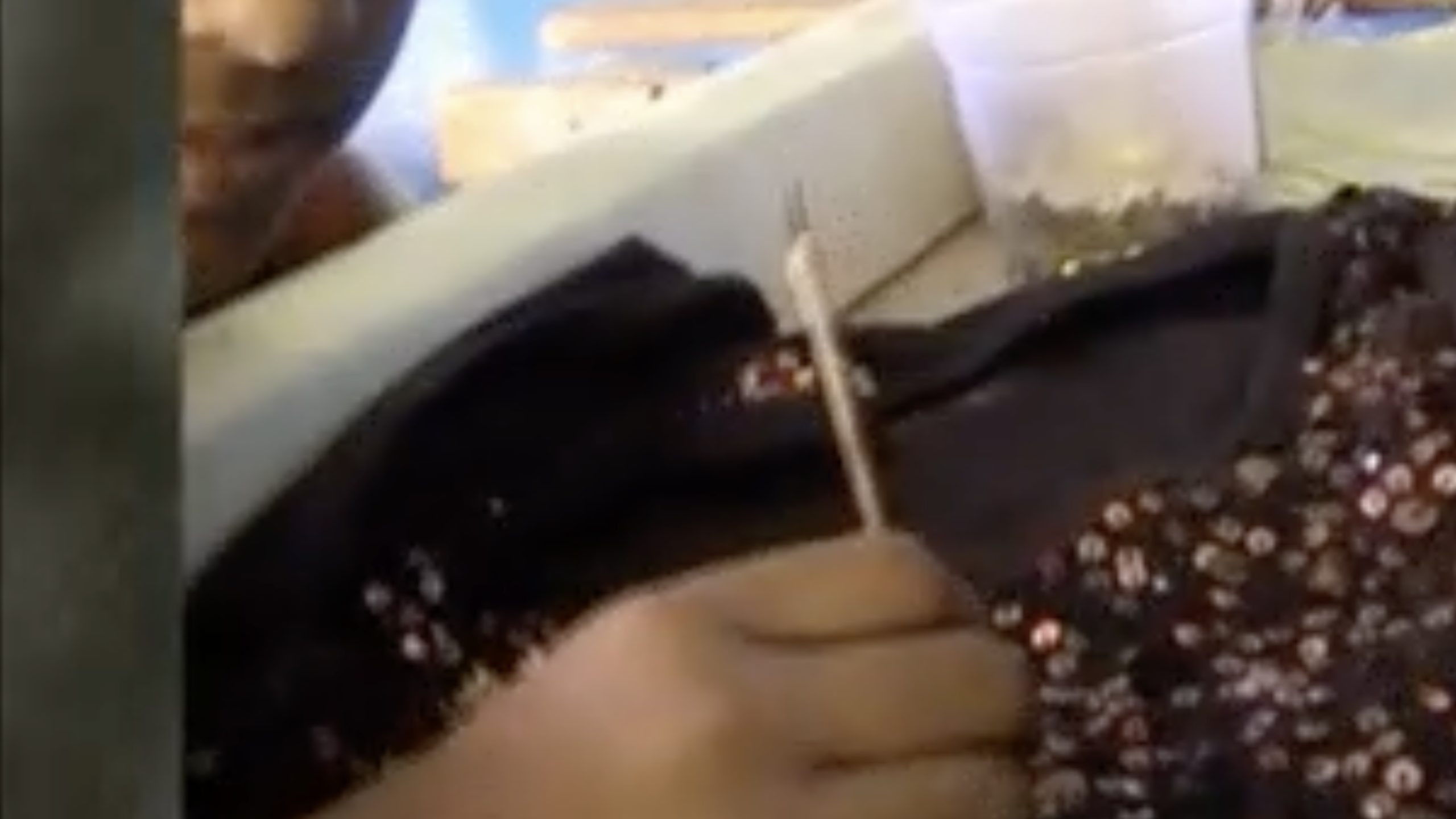
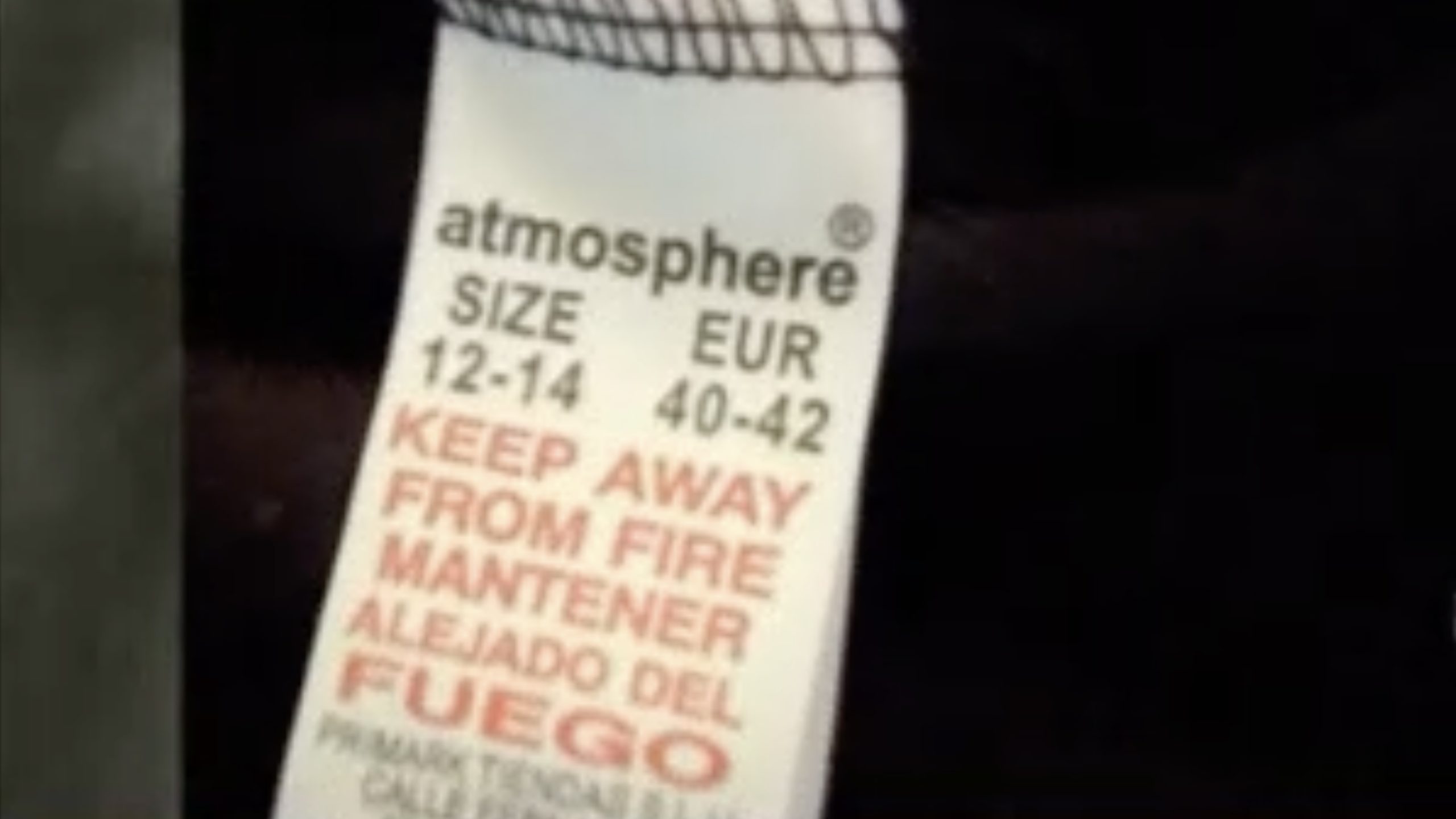
The BBC produces an exposé of cheap clothing retailer Primark. It finds children making its clothes, and sewing and testing their sequins, in factories, slums and refugee camps in India. Primark is asked to contribute to the film before it’s shown. Instead, they decide to cut ties with the supply chains featured, then launch a website to counter the film’s claims. They research the film’s research to pick apart its claims, and then complain to the BBC that one 45 second scene (the one in the screenshots above) is fake. Their critic-silencing strategy has mixed success. The BBC is forced to admit that it cannot be 100% sure that the scene wasn’t faked, and the Panorama team are forced to hand back an award they were given for the film. But Primark’s persistent public attempts to silence this investigative journalism draws attention – for years – to the company’s reputation as the ‘poster boy of child labour in the UK’. Supporters of the film highlight the other 3,555 minutes of the film that Primark didn’t claim the producers had faked? Then, 5 years after the film was broadcast, the Rana Plaza factory complex in Dhaka, Bangladesh collapses and over a thousand garments workers are crushed to death making high street clothes. Journalists, filmmakers and others keep this tragedy relentlessly in the news. UK newspaper headlines refer to this as the ‘Primark factory’. There’s no way that this footage is fake. Primark has to react differently this time.

Page reference: Kate Adley, Richard Keeble, Pippa Russell, Noora Stenholm, William Strang and Tuuli Valo (2025) Primark – on the rack. followthethings.com/primark-on-the-rack.shtml (last accessed <insert date here>)

Estimated reading time: 124 minutes.

Continue reading Primark – On The Rack

Loading

Posted on

Employee Visualisation Appendage

followthethings.com
Fashion

“Employee Visualisation Appendage“
A conference talk prank by The Yes Men at a ‘Textiles of The Future’ conference in Tampere, Finland – filmed & featured in ‘The Yes Men’ movie.

Cultural activists and ‘identity correctors’ The Yes Men set up a fake World Trade Organisation (WTO) website and offer a man called Hank Hardy Unruh to speak at conferences on its behalf. The organisers of a ‘Textiles of the Future’ conference in Finland believe the website is genuine and invite him to give a talk. In the conference hall, the audience watch his assistant ripping off his business suit to reveal a gold lamé telematic suit underneath from which he inflates a huge phallus. This ’employee visualisation appendage’, they say, will allow future managers to give electric shocks to sweatshop workers when their productivity levels dip. To the Yes Men, this gold lamé performance exaggerates to ridiculous proportions the inhumanity of the WTO’s neo-liberal ideology and its dehumanisation of supply chain workers. It’s outrageous and kind of obscene (both the ideology and their performance). Movie audiences find it hilarious. But why is there such a muted reaction in the hall? And what impacts (if any) might these reactions have on the lives of workers in textile supply chains? This compilation page is arranged a little differently than others on our website because this prank had two audiences: the conference delegates and the movie audiences. We find this example fascinating. It’s fair to say that it’s memorable. But where – and upon whom – did it make an impact?

Page reference: Tom Best, Tom Gibson, Beth Massey, Chloe Rees, Kate Ross & Jemma Sherman (2019) Employee Visualisation Appendage. followthethings.com/employee-visualisation-appendage.shtml (last accessed <insert date here>)

Estimated reading time: 47 minutes.

Continue reading Employee Visualisation Appendage

Loading