
Posted on

Primark – On The Rack

followthethings.com
Fashion

“Primark – on the rack“
A documentary film presented by Tom Heap & produced by Frank Simmonds with Dan McDougall for BBC TV’s Panorama series.
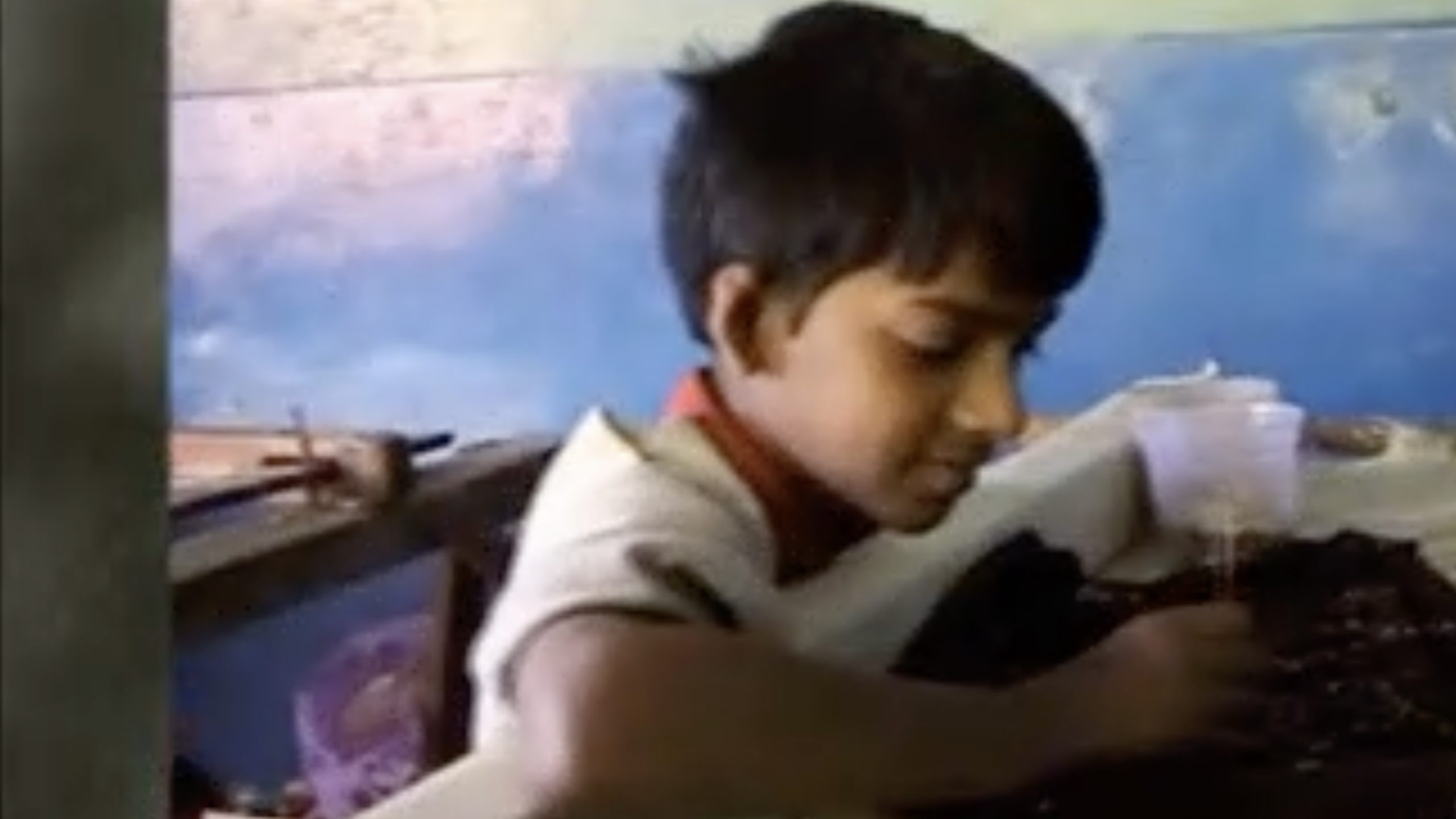
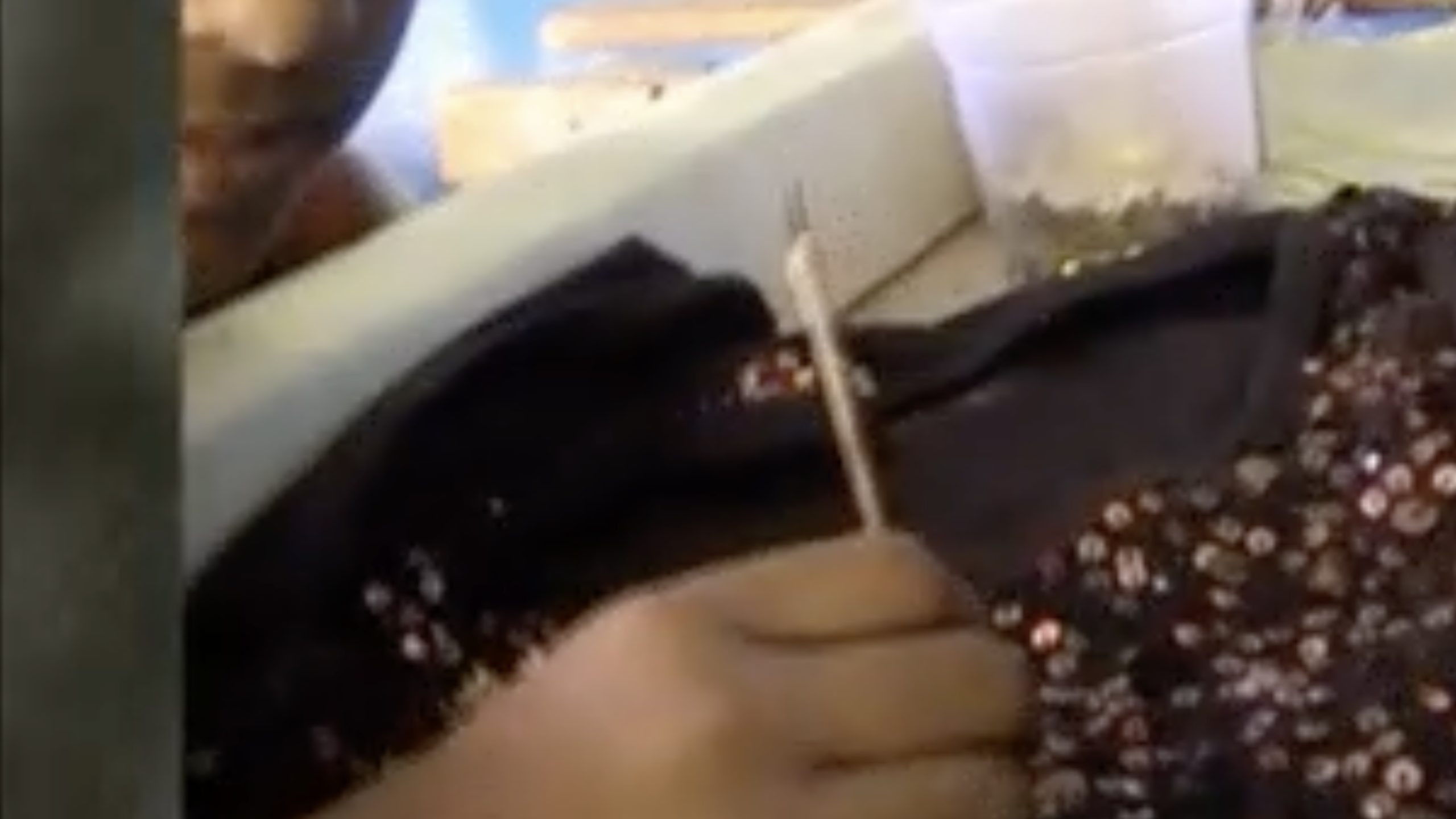
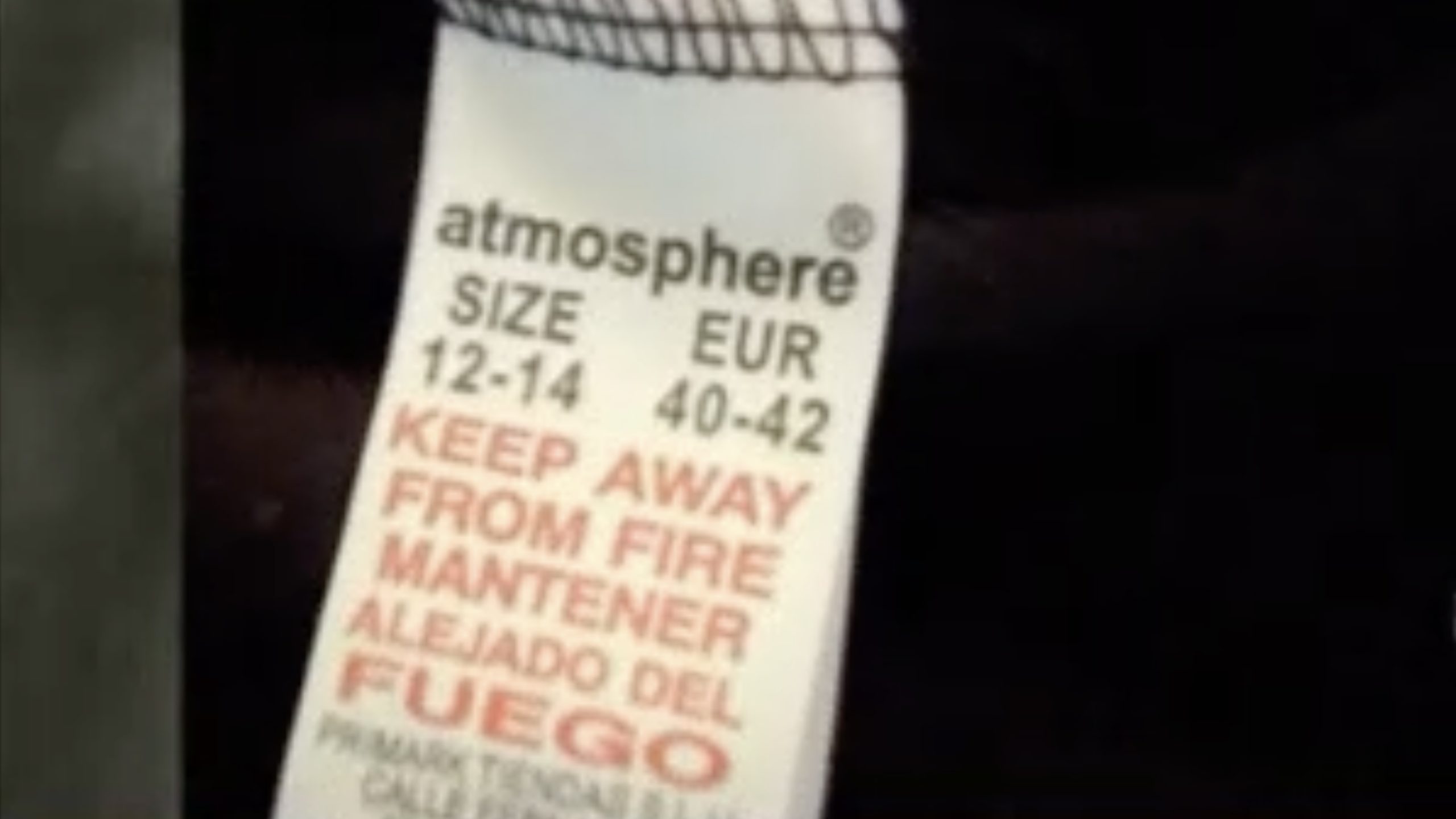
Screenshot slideshow of the contested scene embedded above. Watch on Box of Broadcasts (with institutional login) here.

The BBC produces an exposé of cheap clothing retailer Primark. It finds children making its clothes, and sewing and testing their sequins, in factories, slums and refugee camps in India. Primark is asked to contribute to the film before it’s shown. Instead, they decide to cut ties with the supply chains featured, then launch a website to counter the film’s claims. They research the film’s research to pick apart its claims, and then complain to the BBC that one 45 second scene (the one in the screenshots above) is fake. Their critic-silencing strategy has mixed success. The BBC is forced to admit that it cannot be 100% sure that the scene wasn’t faked, and the Panorama team are forced to hand back an award they were given for the film. But Primark’s persistent public attempts to silence this investigative journalism draws attention – for years – to the company’s reputation as the ‘poster boy of child labour in the UK’. Supporters of the film highlight the other 3,555 minutes of the film that Primark didn’t claim the producers had faked? Then, 5 years after the film was broadcast, the Rana Plaza factory complex in Dhaka, Bangladesh collapses and over a thousand garments workers are crushed to death making high street clothes. Journalists, filmmakers and others keep this tragedy relentlessly in the news. UK newspaper headlines refer to this as the ‘Primark factory’. There’s no way that this footage is fake. Primark has to react differently this time.

Page reference: Kate Adley, Richard Keeble, Pippa Russell, Noora Stenholm, William Strang and Tuuli Valo (2025) Primark – on the rack. followthethings.com/primark-on-the-rack.shtml (last accessed <insert date here>)

Estimated reading time: 124 minutes.

Continue reading Primark – On The Rack

Loading

Posted on

China Blue

followthethings.com
Fashion

“China Blue“
A documentary film directed by Micha X. Peled for Teddy Bear Films.
Trailer embedded above. Search online for streaming options here.

The first film in Micha X. Peled’s ‘Globalisation Trilogy’ is a critique of cut-price retailer Wal-Mart. For the second, Peled finds out how the goods that it sells can be so cheap. He travels to China, to a jeans factory, trying to avoid the authorities in order to make his film. The factory owner is proud, but the working conditions are harsh, and its clients are demanding. Corporate executives sourcing clothes from the factory haggle the price down. They couldn’t compete if they paid living wages. Along with factory manager Mr Lam, a charming , fun-loving 16 year old called Jasmine is the film’s main character. She trims threads, and takes pebbles out of pockets – for up to 20 hours a day. She lives in a cramped dormitory and speculates with her friends about the lives of the ‘fat and tall’ people that wear these jeans overseas. She writes a letter and places it in a pocket for a shopper to find and read. She meets someone whose jeans she has helped to make. She dreams of being a martial arts princess. She wants to work here but is worn down by the endless, tiring work. The film makes some viewers feel implicated. Only a tiny increase in the cost of those jeans could give Jasmine and her friends a living wage. But nobody in China can see this. Peled’s film was banned there.

Page reference: Jess Mayers, Alex Horgan, Sam Spicer, Mike Rastall, Rob Donald and Andi Frost (2012) China Blue. followthethings.com/china-blue.shtml (last accessed <insert date here>)

Estimated reading time: 64 minutes.

Continue reading China Blue

Loading

Posted on

The True Cost

followthethings.com
Fashion

“The True Cost“
A documentary film (with website) directed Andrew Morgan & executive produced by Livia Firth for Life Is My Movie Entertainment.
Available in full on YouTube (embedded above). Website here.

American filmmaker Andrew Morgan weeps in a New York Starbucks after seeing a front page newspaper story about the collapse of the Rana Plaza factory complex in Dhaka, Bangladesh where over 1,100 garment workers were crushed to death making clothes for Western high street retailers and brands. It’s illustrated with a photos two young boys looking at photos the of missing, assumed dead, workers pinned up near the site. They are the same age as his sons and are looking for their missing mum. He is shocked to his core. How could something this atrocious be allowed to happen? He imagines making a film that will answer this question and sets up a kickstarter campaign to raise the money to finance it. He doesn’t believe that there’s an individual or organisation who, alone, could have saved those people’s lives by acting differently (like consumers, for example). So he travels to lots of places in fashion’s supply chains. He talks to workers, farmers, managers, retired executives, ethical fashion pioneers, NGO execs, journalists, doctors and academics. Viewers get to know some – like Shima Akhter the garment factory worker in Bangladesh and LaRhea Pepper the cotton farmer in the USA – better than others. He makes the argument that Rana Plaza was a systematic failure. This film’s networky trade justice activism shows how everyone in the industry could and should act differently to make things better. Some, as his film shows, are already doing so. But can it encourage more people to get involved in the systemic change that’s needed? Who needs to see it? Where? There’s a lot of detail to digest here! Maybe too much. This film generated more discussion than any example researched on our website so far.

Page reference: Olivia Dubec, Sophie Rees, Amelia Daniel, Becca Craig, Ellie Glynn, Frankie Ward & Katy Jackson (2020) The True Cost. followthethings.com/the-true-cost.shtml (last accessed <insert date here>)

Estimated reading time: 146 minutes

Continue reading The True Cost

Loading

Posted on

The Eternal Embrace

followthethings.com
Fashion

“The Eternal Embrace“
A photograph by Taslima Akhter.
Photo blurred due to sensitive content. Available online.

Bangladeshi photographer and activist Taslima Akhter visits the ruins of the collapsed Rana Plaza factory. On April 24th 2013, over 1,100 garment workers were crushed to death there as they made clothes for high street brands including GAP, Primark and H&M. In the rubble, she spots two dead factory workers – a woman and a man – who appear to have died in each other’s arms. Her head is tipped back and a bloody tear has fallen from his eye. She takes a photo and posts it online. There are thousands of press photos of the disaster, but this one is said by many to be the most heart-wrenching and haunting. Commentators are repelled and drawn to its horror and beauty in equal measure. What were the final moments of these garment workers’ lives like? What was their relationship? What caused them to be killed like this? What impacts can a photo like this have on people who buy clothes made in factories like this? It’s profound.

Page reference: Nancy Scotford (2013) The Eternal Embrace. followthethings.com/the-eternal-embrace.shtml (last accessed <insert date here>)

Estimated reading time: 47 minutes.

Continue reading The Eternal Embrace

Loading