Posted on

Behind The Leather

followthethings.com
Fashion | My Shopping Bag

Behind The Leather
An activist stunt by Ogilvy and Mather Advertising, Bangkok for People for the Ethical Treatment of Animals (PETA) Asia.
YouTube video embedded above.

A new luxury store called ‘Leather Works’ opens at the high end CentralWorld mall in Bangkok selling coats, ties, gloves and bags. Shoppers come in to browse. As they touch and try them on, they see flesh, bones, muscles and sinews inside. As they open the handbags, there are beating hearts too. Shoppers get blood on their hands. This leather was clearly ripped from the bodies of crocodiles, snakes, lizards and other ‘exotic’ animals. It’s like a scene from a horror film. Shoppers recoil in shock. These luxury leather goods are disgusting. The video goes viral. Behind this shopping prank is an NGO called People for the Ethical Treatment of Animals (PETA) and the ad agency Ogilvy & Mather who made it all for them. PETA’s Asia office wants to draw attention to the cruel conditions under which ‘exotic’ animals are farmed and butchered for luxury leather fashion. But how genuine, how ethical, can a ‘hidden camera’ stunt like this be? What can these shock tactics do?

Page reference: Ian Cook et al (2024) Behind The Leather (taster). followthethings.com/behind-the-leather.shtml (last accessed <insert date here>)

Estimated reading time: 9 minutes.

Continue reading Behind The Leather

Loading

Posted on

University Lifestyle: Fabulously British

followthethings.com
Fashion | Grocery | Electronics | Home & Auto

University Lifestyle: Fabulously British
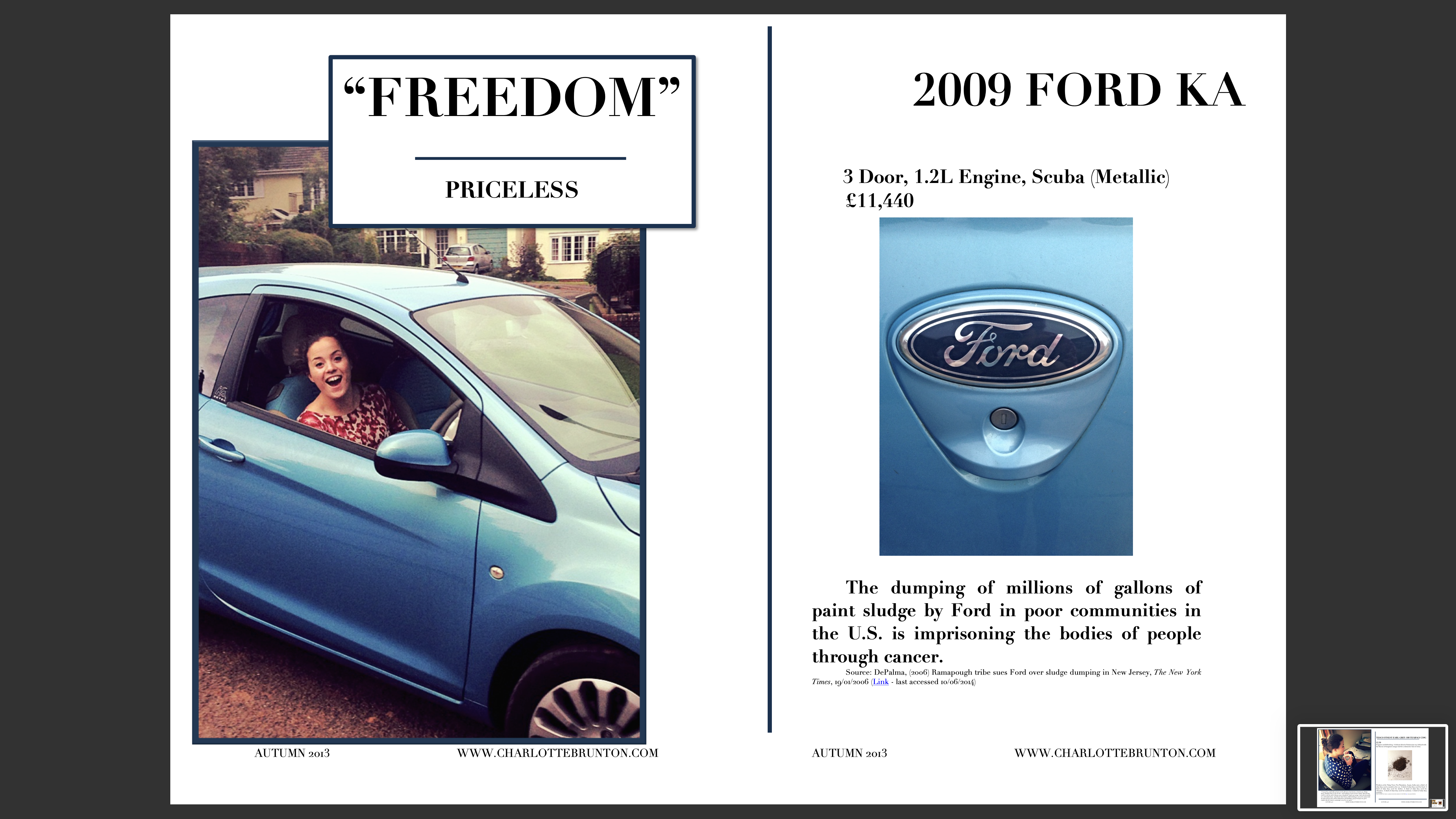
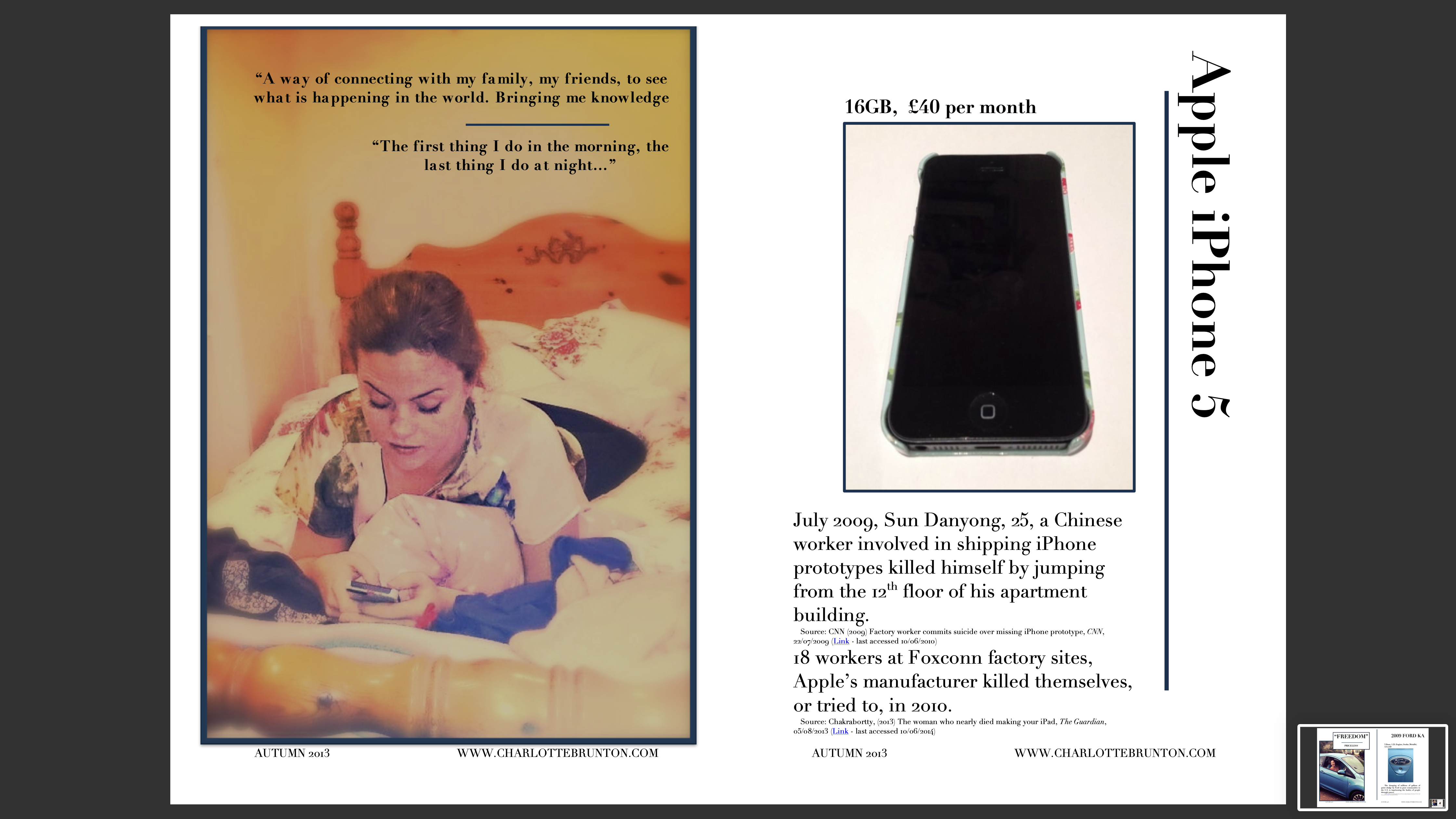
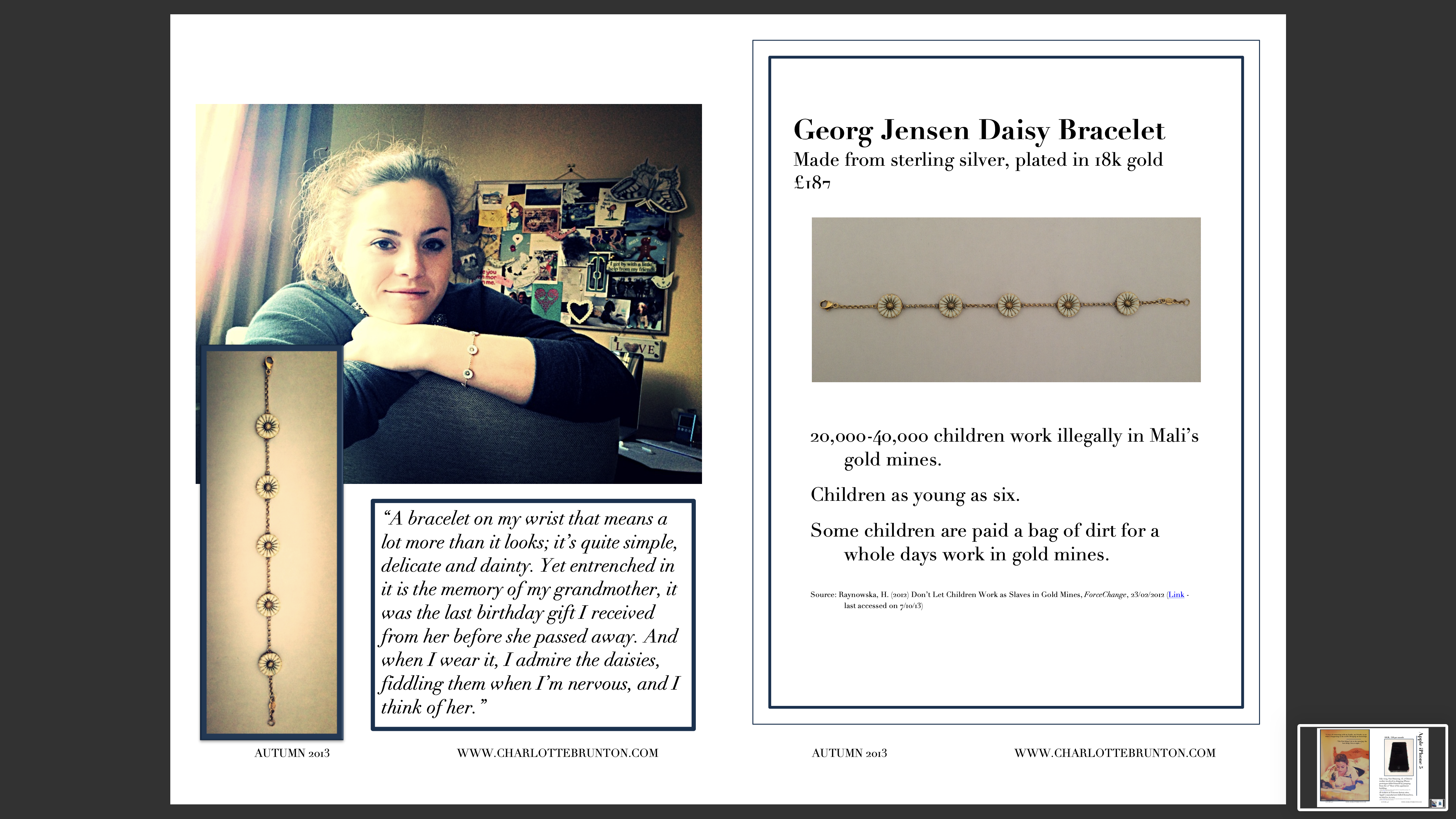
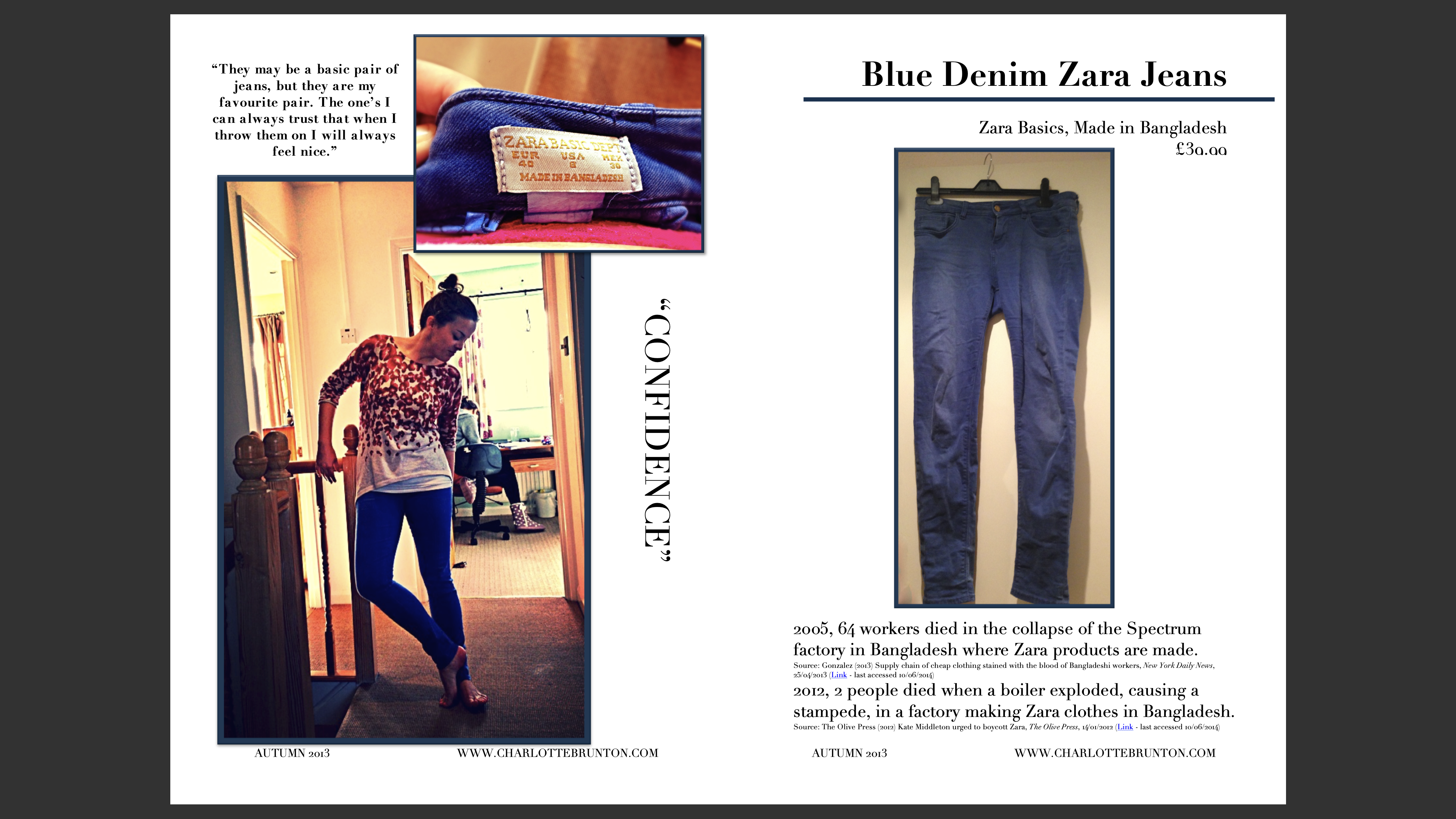
Undergraduate coursework designed & written by Charlotte Brunton.
Available in full in slideshow above. High resolution download available here.

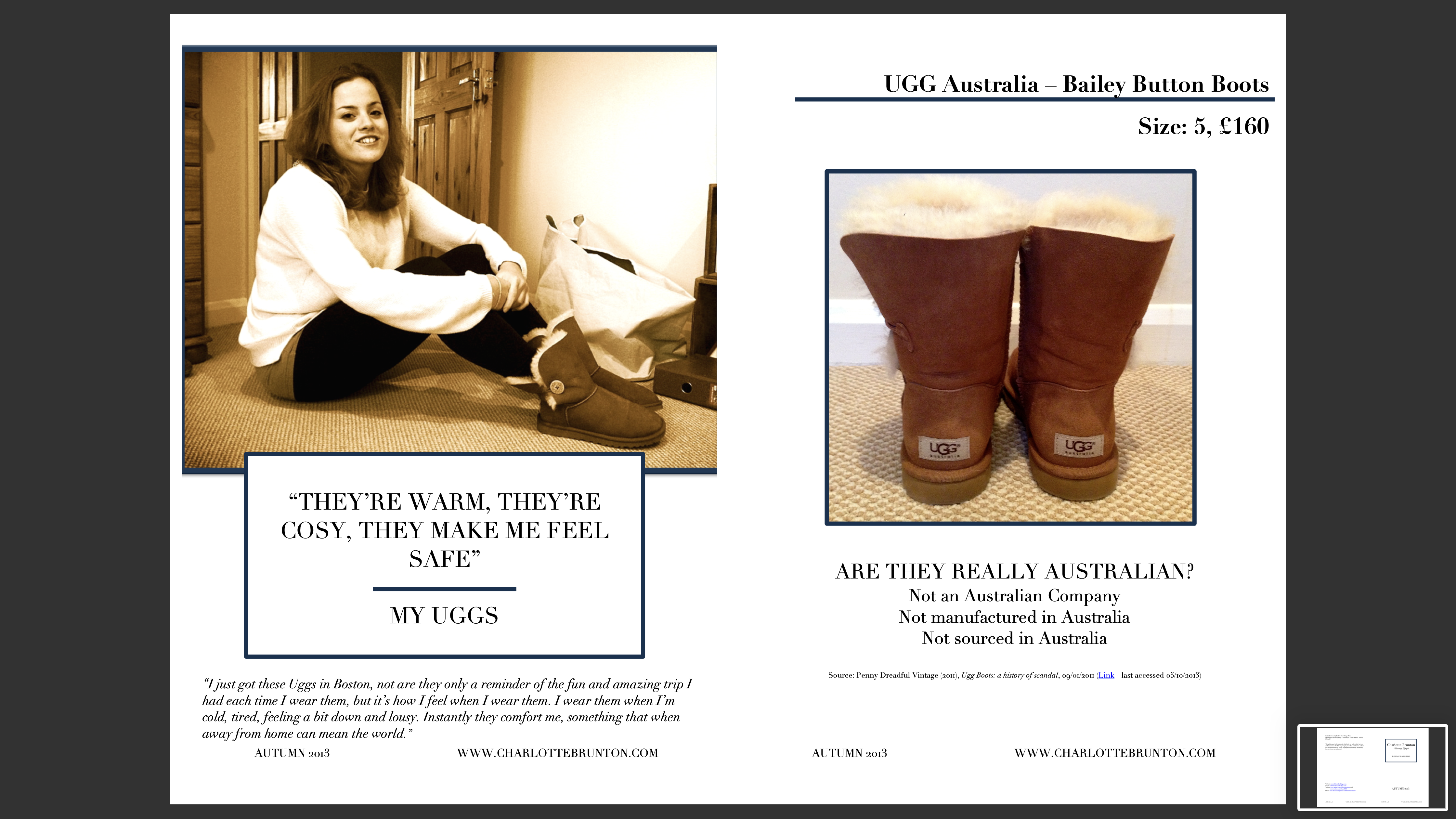
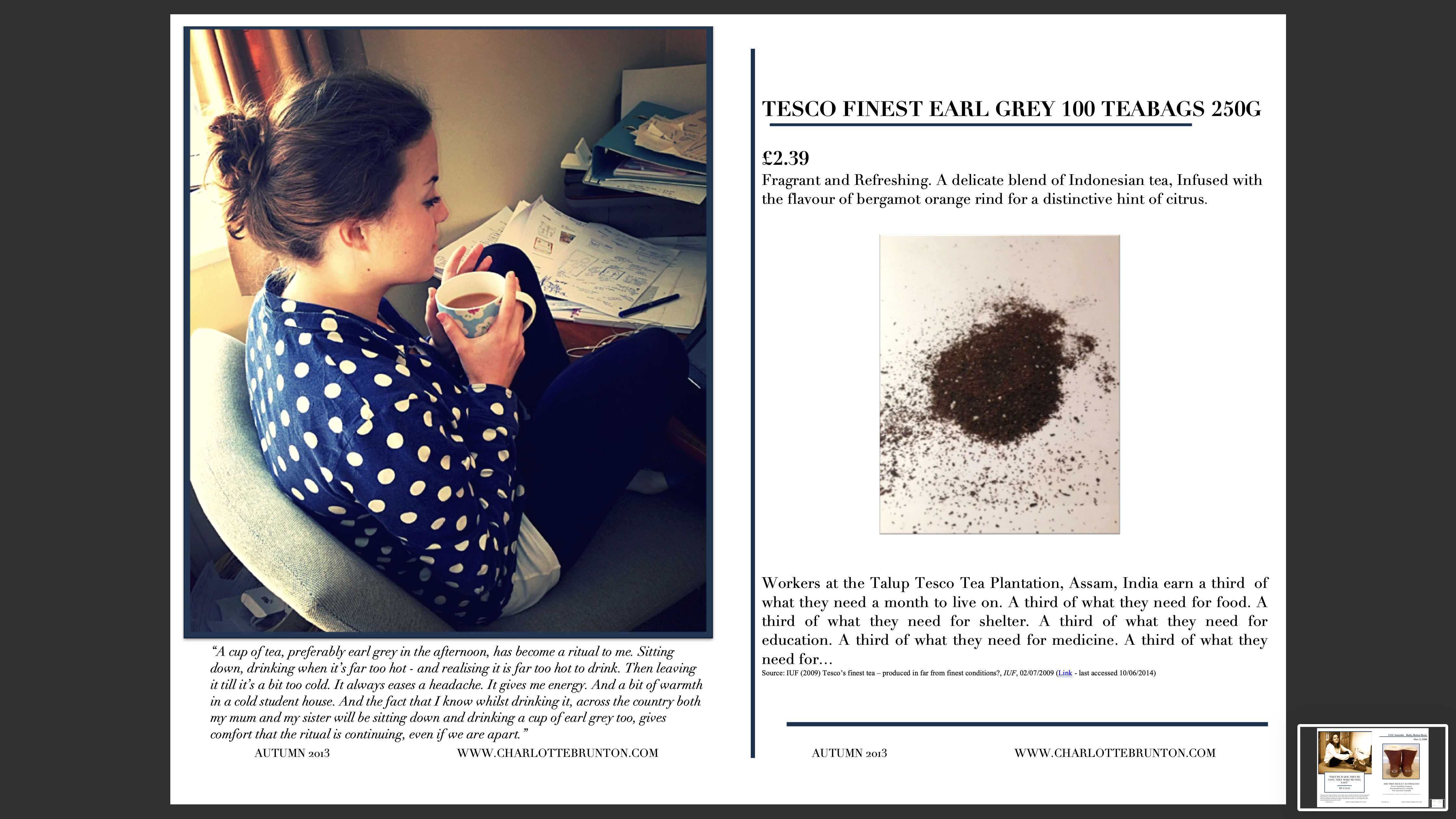
After researching examples of trade justice activism to add to this site, students taking CEO Ian’s ‘Geographies of material culture’ module at the University of Exeter are tasked to make their own. Charlotte Brunton’s inspiration comes from the junk mail arriving at her student house. Instead of getting interesting letters, she and her housemates get student fashion catalogues. In particular, Jack Wills catalogues – six or more every season. They’re selling students an ‘aspirational’ lifestyle, tempting them to buy the commodities they feature. The people in them, the things they have, the carefree, stylish and connected lifestyles they picture – the designers want students to want them. Charlotte and her friends imagine themselves using this, wearing that, experiencing the lifestyles these things can support, together. But who made these things? What about their lifestyles? Charlotte asks herself how she can create a catalogue that highlights how personal these things are both to her and to the people who made them? In real life, she has an interdependent, culture-crossing, ‘British’ life which they are very much part of. So she designs a ‘lifestyle catalogue’ that you can browse to imagine and buy into with her.

Page reference: Charlotte Brunton (2014) University Lifestyle: Fabulously British. followthethings.com/university-lifestyle-fabulously-british.shtml (last accessed <insert date here>)

Estimated browsing time: 15 minutes.

Continue reading University Lifestyle: Fabulously British

Loading

Posted on

Handprint

followthethings.com
Fashion

Handprint
A short fashion film by Mary Nighy for Livia Firth’s EcoAge consultancy.
Uploaded to YouTube & embedded in full above.

The elegant, graceful actor and model Eletrra Wiedemann, wrapped in a towel after a brisk shower, walks through her beautiful apartment, designer clothes strewn everywhere. As she chooses a red dress, other people’s hands appear to help her get it on, her jewellry on, her shoes on. She doesn’t flinch until she sees the people whose hands these were in a mirror. This film isn’t about the footprint of her clothes. It’s about the handprint. These are the people who made them for her. In the room. With her. Helping her to get dressed. Every day. She couldn’t do it without them. Gulp. This film was made for an exclusive fashion industry audience to encourage them to take care of supply chain workers in the wake of the Rana Plaza factory collapse. It was later published online for a wider audience. What impacts could this vision have on them? What can we find out?

Page reference: Ian Cook et al (2025) Handprint. followthethings.com/handprint.shtml (last accessed <insert date here>)

Estimated reading time: 43 minutes.

Continue reading Handprint

Loading