
Posted on

University Lifestyle: Fabulously British

followthethings.com
Fashion | Grocery | Electronics | Home & Auto

“University Lifestyle: Fabulously British“
Undergraduate coursework designed & written by Charlotte Brunton.
Available in full in slideshow above. High resolution download available here.

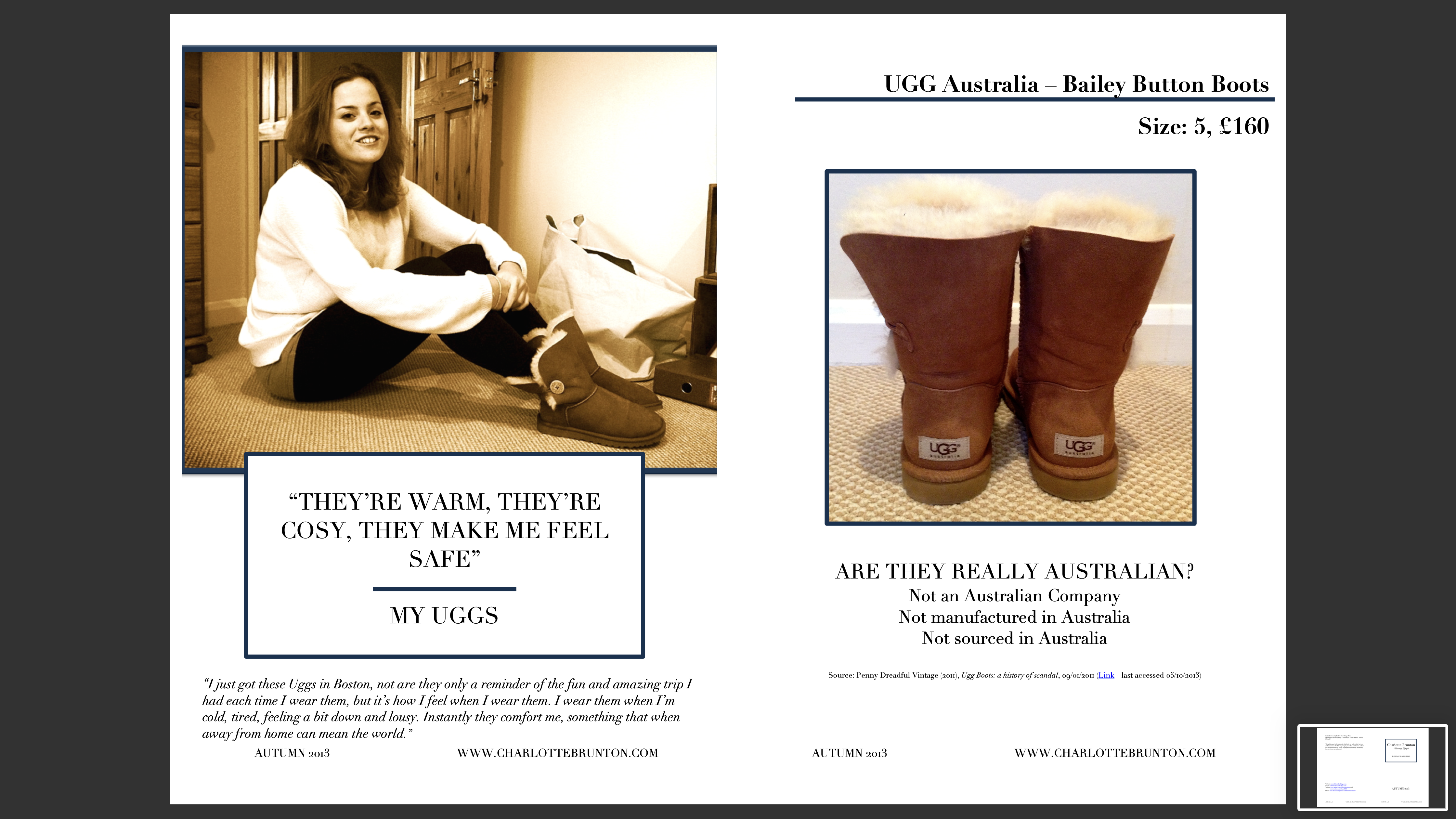
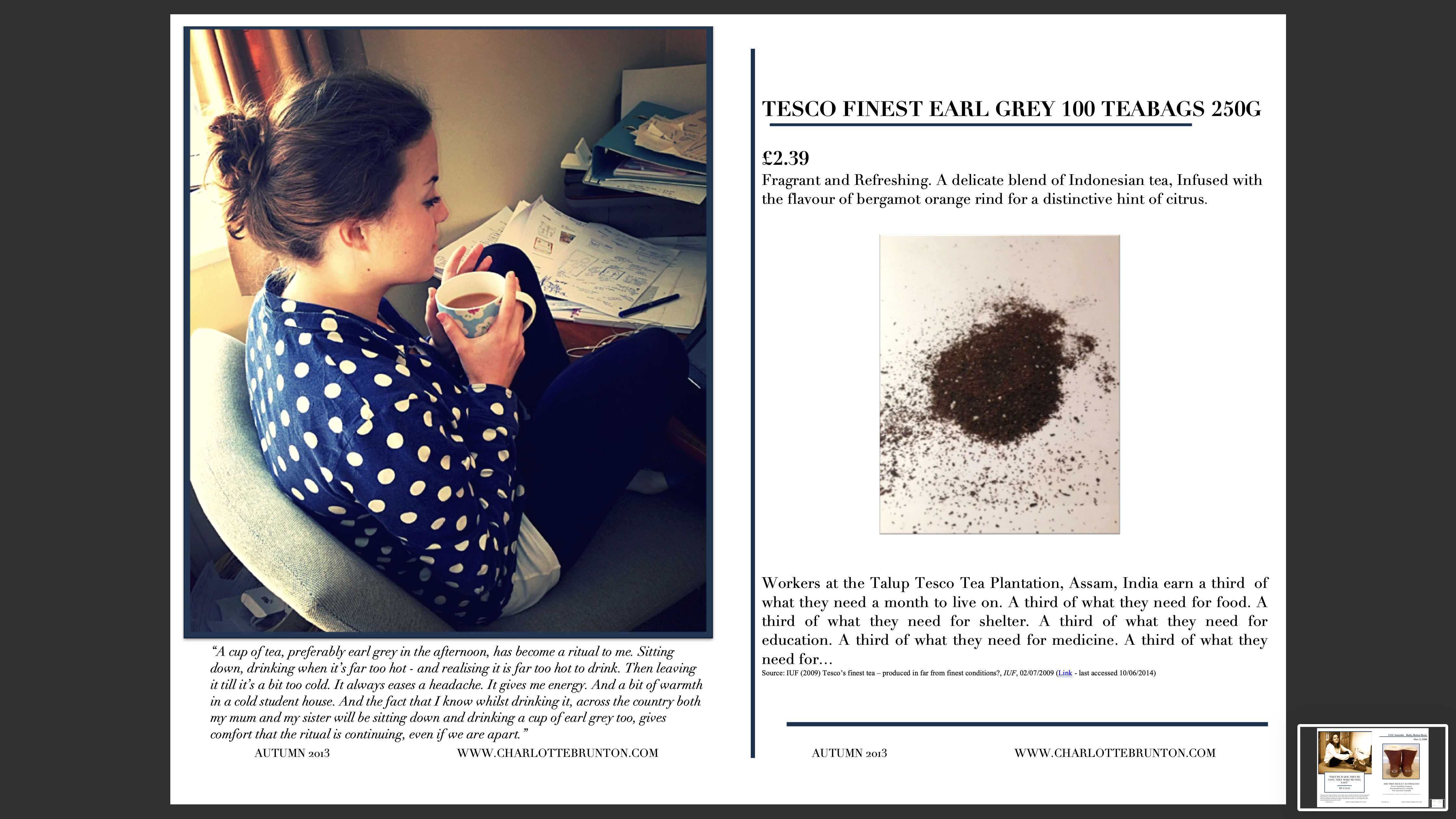
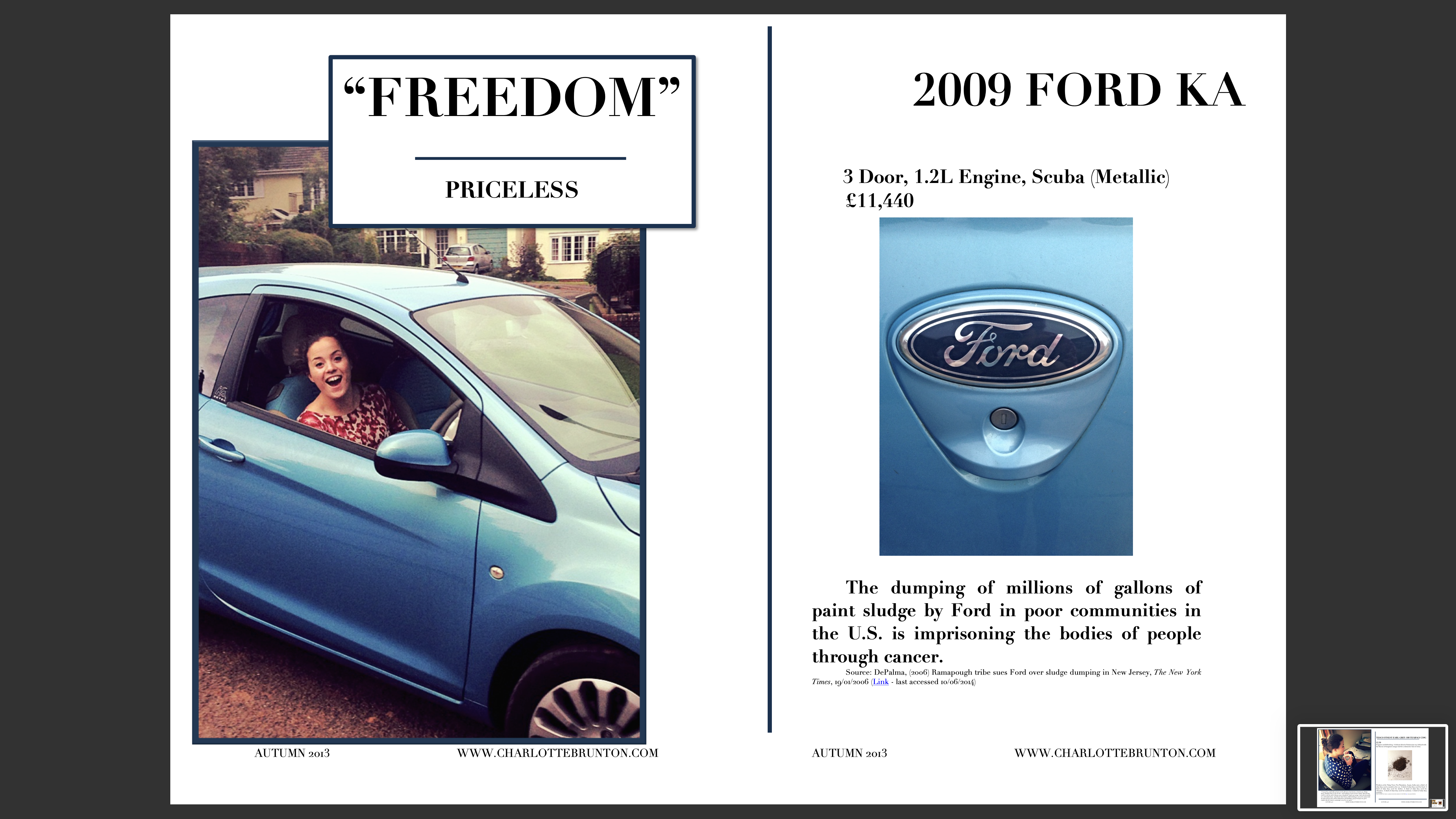
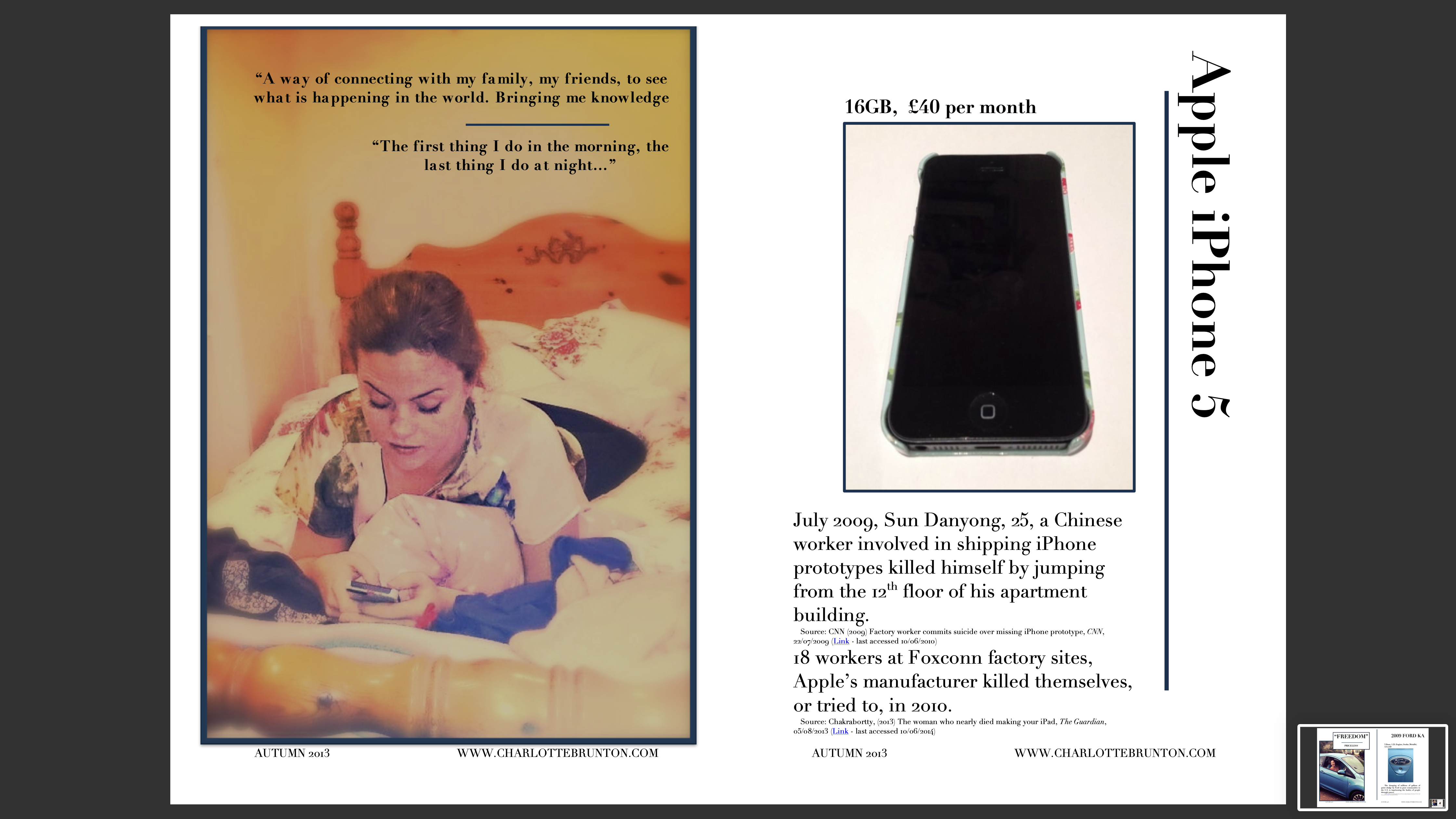
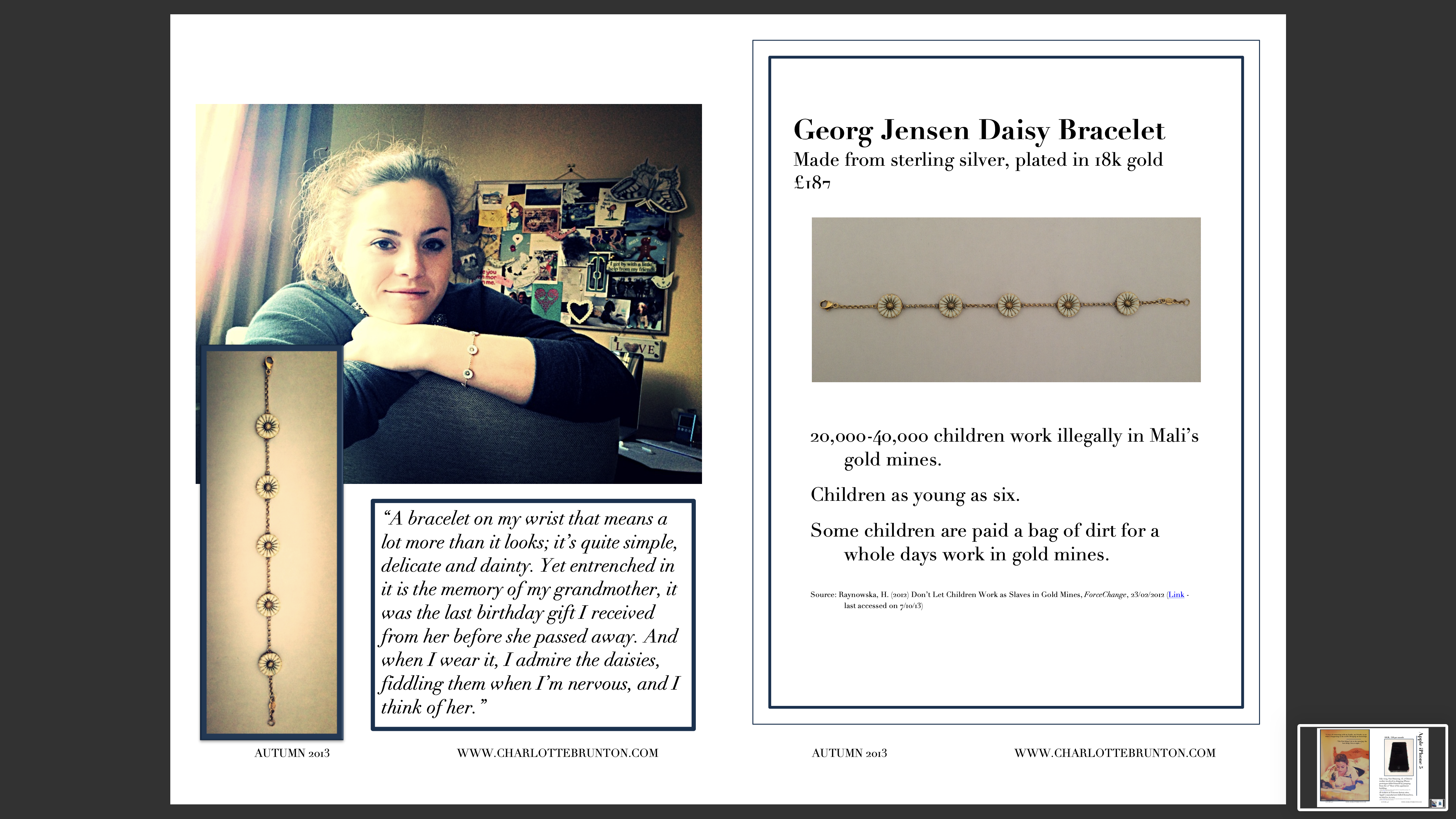
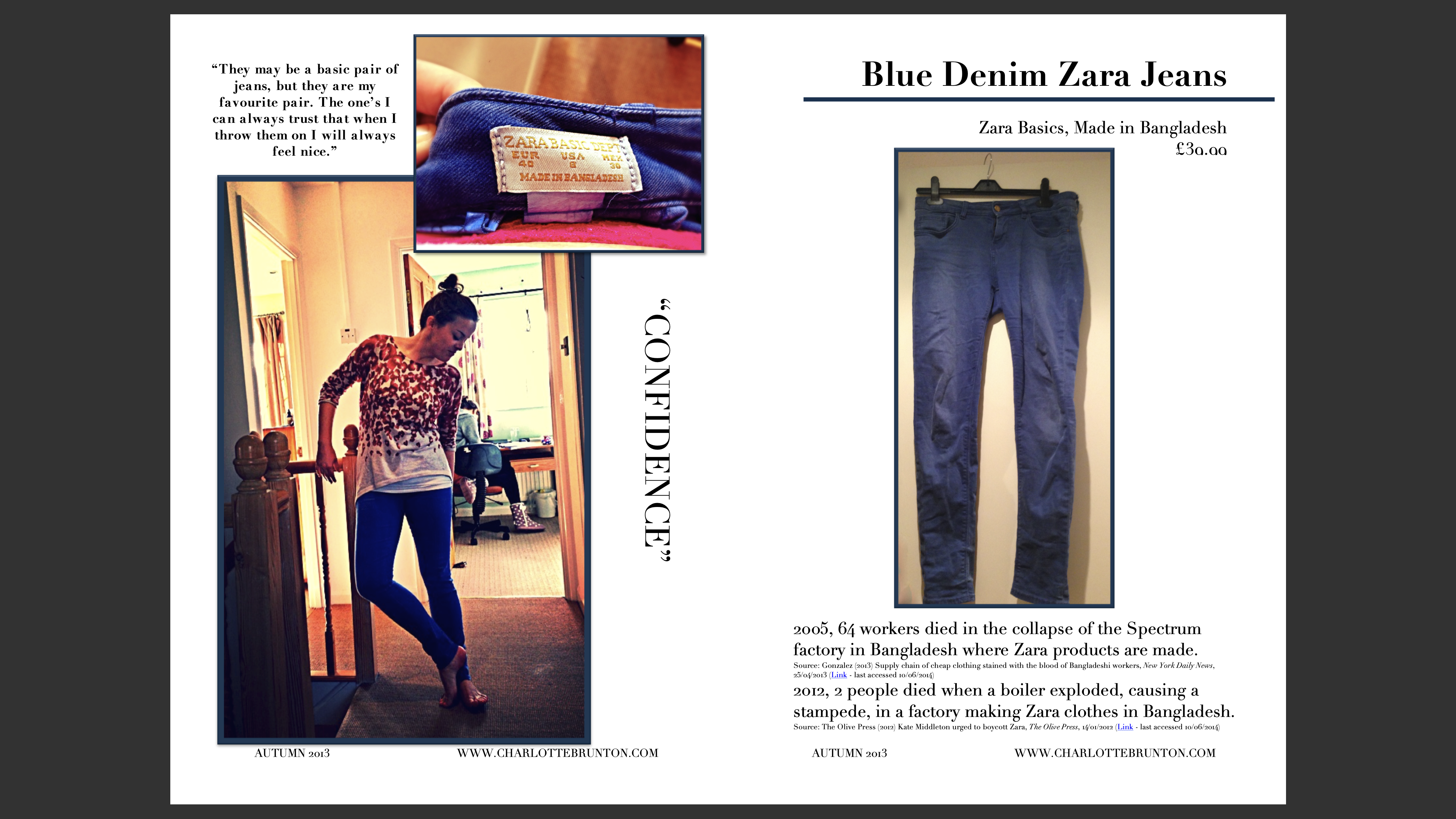
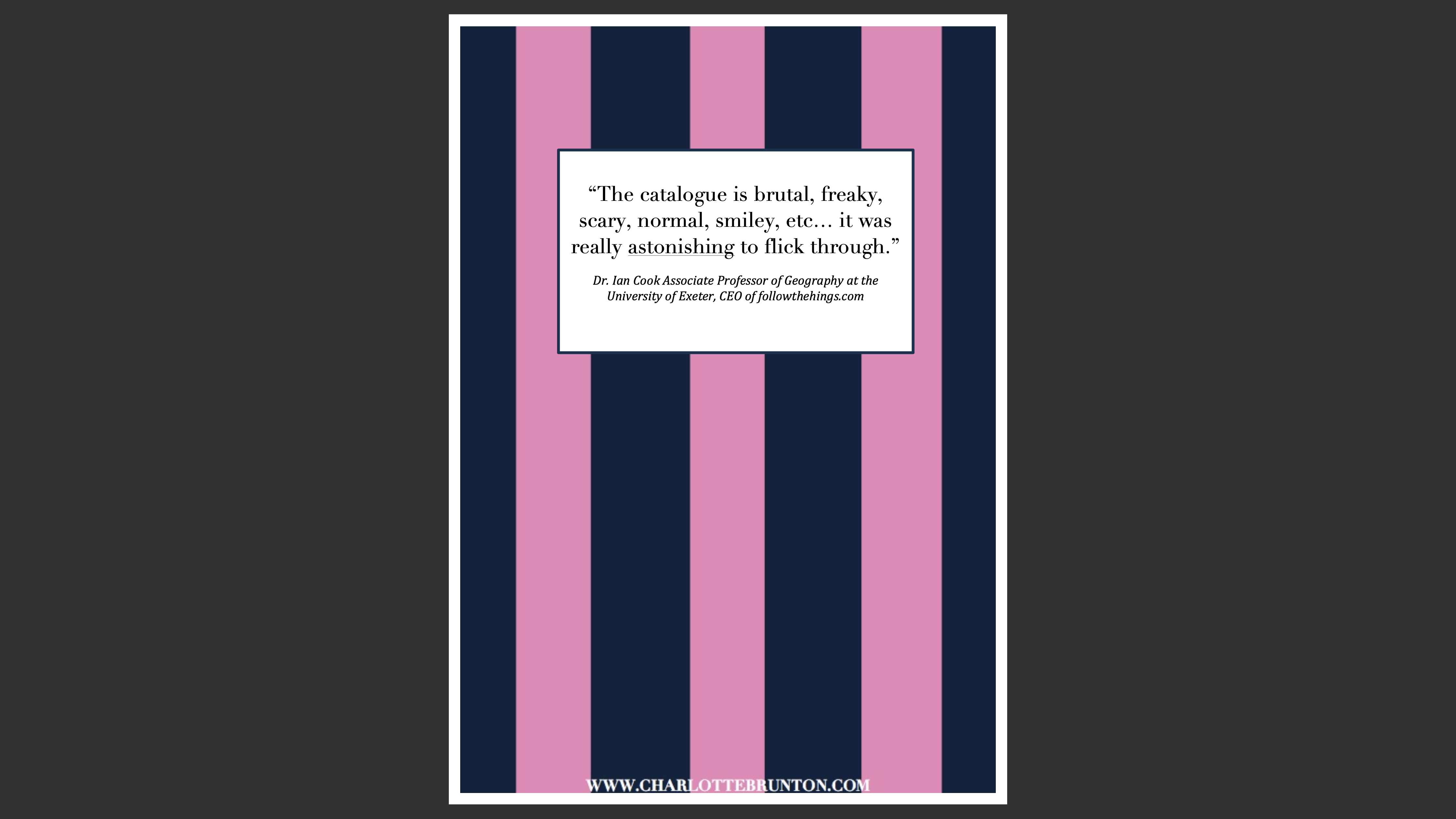
After researching examples of trade justice activism to add to this site, students taking CEO Ian’s ‘Geographies of material culture’ module at the University of Exeter are tasked to make their own. Charlotte Brunton’s inspiration comes from the junk mail arriving at her student house. Instead of getting interesting letters, she and her housemates get student fashion catalogues. In particular, Jack Wills catalogues – six or more every season. They’re selling students an ‘aspirational’ lifestyle, tempting them to buy the commodities they feature. The people in them, the things they have, the carefree, stylish and connected lifestyles they picture – the designers want students to want them. Charlotte and her friends imagine themselves using this, wearing that, experiencing the lifestyles these things can support, together. But who made these things? What about their lifestyles? Charlotte asks herself how she can create a catalogue that highlights how personal these things are both to her and to the people who made them? In real life, she has an interdependent, culture-crossing, ‘British’ life which they are very much part of. So she designs a ‘lifestyle catalogue’ that you can browse to imagine and buy into with her.

Page reference: Charlotte Brunton (2014) University Lifestyle: Fabulously British. followthethings.com/university-lifestyle-fabulously-british.shtml (last accessed <insert date here>)

Estimated browsing time: 15 minutes.

Continue reading University Lifestyle: Fabulously British

Loading

Posted on

Ballet Shoes

followthethings.com
Fashion

“Ballet Shoes“
Undergraduate coursework written by Maya Motamedi, published in the Primary Geography journal.
Full text below.

The students’ first task in the ‘Geographies of Material Culture’ module at the University of Birmingham is to make a personal connection between their lives and the lives of others elsewhere in the world who made the things they buy. These are the people who help you to be you, followthethings.com CEO Ian tells them. So choose a commodity that matters to you, that’s an important part of your identity, that you couldn’t do without. Think about its component parts, its materials, and the properties they give to that commodity and your experience of ‘consuming it’. And write a 500 word first person account that connects your lives. One student – Maya Motamedi – is a ballet dancer. She loves her Grishko pointe shoes. They’re part of her dancing body. After some online detective work, she’s finds who made them for her, far away in Russia. The shoes’ component parts come from plenty of other places. This kind of thinking, this kind of detective work, means you are never alone, never do anything by yourself! The lives of thousands of people are wedged into those shoes, says Maya, dancing with her.

Page reference: Maya Motamedi (2006) Ballet shoes. followthethings.com/ballet-shoes.shtml (last accessed <insert date here>)

Estimated reading time: 7 minutes.

Continue reading Ballet Shoes

Loading

Posted on

followthethings.com Shopping Bag

followthethings.com
My shopping bag | Follow it yourself

“followthethings.com Shopping Bag“
A limited edition run of 5,000 reusable plastic shopping bags designed by Daisy Livingston & Aidan Waller and distributed freely to support the launch of the followthethings.com website.
The last bag was given away in 2016. Still in circulation.

The followthethings.com launch team are keen to create some merchandise to promote their website. Intern Daisy had submitted a printed cotton bag she had had manufactured in China as coursework for Ian’s ‘Geographies of Material Culture’ module. It was the most original, imaginative coursework he had ever seen. That’s because it wasn’t just about the geographies of material culture, it embodied them, materialised them. Ian hired Daisy as an intern and asked her to design and order some reusable shopping bags for followthethings.com’s launch. Fellow intern Aiden helped out. These needed to be just like the ones that we used for our supermarket shopping at Sainsbury’s, Tesco, ASDA, Morrisons. They were pretty standard in their construction. But where were they made? From what materials? How could you find out? What could you find out about the pay and conditions of the people who made them? Quite a bit, it turned out, if you had your own made in the same places. What insights could this privileged business-to-business customer perspective provide? And what could happen after you put these mischievous shopping bags into circulation? Especially when the meaning of ‘shopping’ in the project – and on the bags – was double: i.e. both ‘to seek or examine goods, property, etc. offered for sale in or by’ and ‘to behave treacherously toward; inform on; betray’ or ‘to give away information about’ those goods, property, etc. (Anon nd). Once you read about our bag, you can apply its lessons to the ones that you have…

Page reference: Ian Cook et al (2024) followthethings.com Shopping Bags. followthethings.com/followthethings-com-shopping bag.shtml (last accessed <insert date here>)

Estimated reading time: 21 minutes.

Continue reading followthethings.com Shopping Bag

Loading