
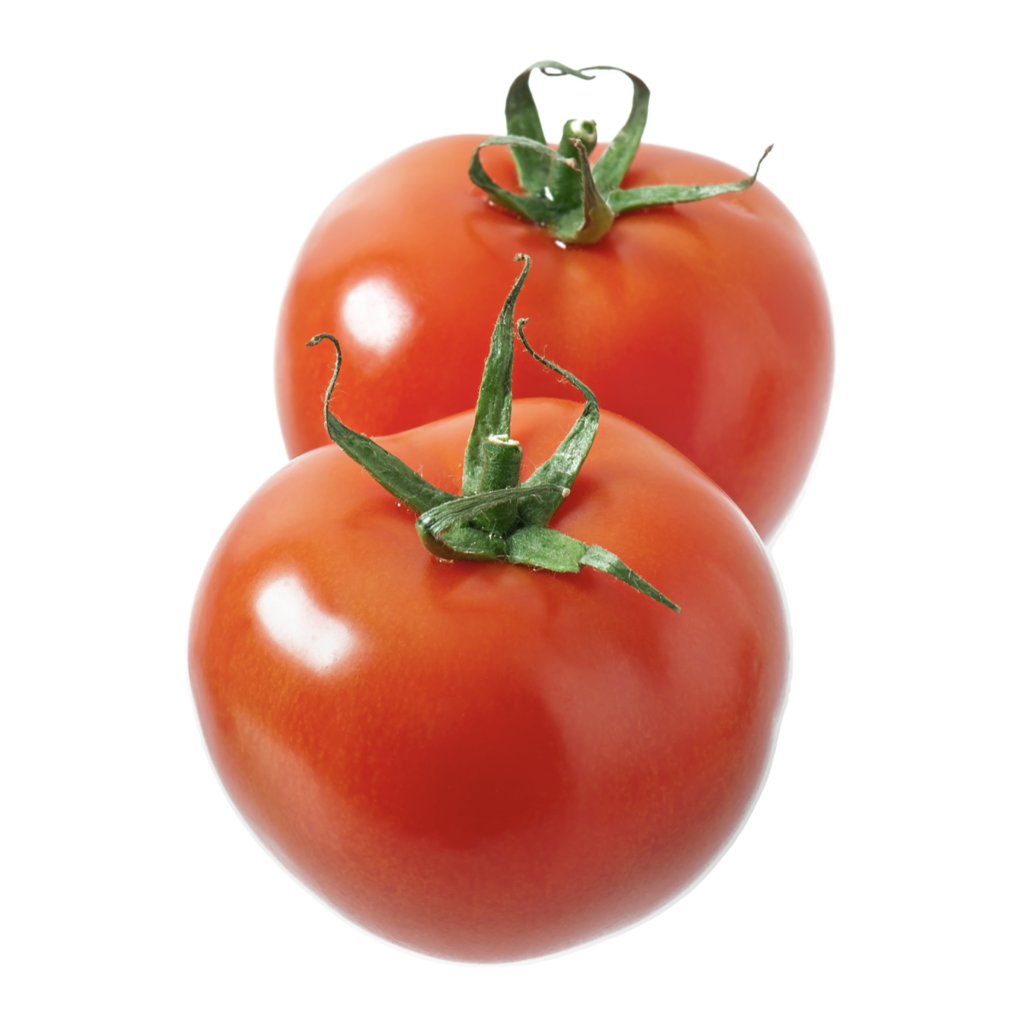
Tomatoes
Grown in Brazil
Eaten in Brazil
KEY FACTS
Type:
Short film (Portuguese with subtitles)
Duration:
13 minutes, 9 seconds
First shown:
15 June 1989
Director, Writer & Producer:
Jorge Furtado
Production company:
Casa de Cinema de Porto Allegre, Brazil
INGREDIENTS
INTENTIONS
Pop the bubble
Show capitalist evils
Teach economic geography
TACTICS
Make the familiar strange
Follow the thing
Join the dots
Lie to tell the truth
Embody exploitation
Make it incomplete
Make it funny
RESPONSES
Wow 💥 WTF?
Capitalism is sh*t
They aren’t experts!
I gotta do something
IMPACTS
Now we’re talking
Now I know!
Image credit
Fresh Tomatoes, Loose – Tomato isolated (https://www.freepik.com/free-photo/tomato-isolated_7481096.htm#fromView=search&page=1&position=26&uuid=9e0c895b-6975-47d6-a7cc-9e1dc7cb06d1) by timolina (Freepik)
Ilha das Flores
IN BRIEF
Filmmaker Jorge Furtado follows a tomato from Mr Suzuki’s field to a garbage dump on the ‘Island of Flowers’ in Porto Allegre, Brazil. Here, a rotten one binned in Mrs Anete’s kitchen is fed to pigs. What’s left is then scavenged by local people. This eccentric 13 minute ‘masterpiece’ was made for Martians visiting Planet Earth. It explains what a human being is, what the function of money in capitalism is, why pigs are valued more than some people. It’s a parable of poverty.
More about this page
We are slowly piecing together a ‘followthethings.com handbook for trade justice activism’ and are publishing the pages here as we write them. This is an ‘example’ page. The wide column paraphrases and condenses this example’s followthethings.com page, section by section. The narrow column contains some details about the commodity, some key facts about the activism that took place around it, and a list of its ‘ingredients’: its intentions, tactics, responses and impacts. These have been identified during the writing of this example page and, as more handbook pages are added, you will be able to click each one to read about it, and there will be links to other examples where we have found that ingredient, and a list of linked ingredients. This hypertext format, we believe, will help readers to understand how trade justice activism can work, and what it can do.
Original
Description
This is not a fictional film’. ‘There is a place called the Island of Flowers’. ‘There is no God’. Mr. Suzuki is Japanese. He grows tomatoes to sell for money. Mrs Anete sells perfume and uses her wages to buy things. Like tomatoes to make a sauce for her family’s pork dinner. One tomato is rotten. Diseased. She throws it in the trash. It ends up on the Ilha das Flores (the Island of Flowers) being fed – with others’ discarded veg – to pigs. What they won’t eat, poor and hungry locals queue to scavenge. The narrator explains that that the ‘organisms’ on this planet with ‘highly developed brains’ and ‘opposable thumbs are called humans. He explains the economic system they have created with the help of this tomato. Despite their intelligence and admirable ideals, that system is terrible. ‘Freedom’, he quotes Cecilia Meirelles, ‘is a word the human dream feeds on, that no one can explain or fail to understand’.
Inspiration / process / methodology
Jorge Furtado described his film as a ‘letter to a Martian who knows nothing of the earth and its social systems’. It’s a collage of juxtaposed elements. Monty Python-style animation. Hitchhiker’s Guide narration. Archive and stock footage. Religious and historical iconography. Advertising cliches. Parodied quiz show and educational film formats. Original film footage. And precise, repeated definitions of concepts like ‘Human’, ‘Tomato’, ‘Pig’, ‘Money,’ ‘Freedom.’ Human and nonhuman are equally interesting. Humans’ highly developed brains have allowed them to improve their planet (cut to a nuclear mushroom cloud). ‘Money was created in the seventh-century before Christ, Christ was a Jew, and Jews are human beings’ (cut to World War Two images of Jewish people as Nazi death camp trash). Humour is a trap. The tomato’s on a quest. Disparate dots are connected. Cognitive estrangement can dismantle neoliberal disourse, and bring social and environmental injustices into view. This film was cheap to make. It showed at festivals. Teachers brought VHS copies to class. It’s online now. Freely available.
Discussions / responses
It’s beautifully disheartening. Painfully hilarious. Head-battering. Stomach-punching. Entertaining and humorous. A brilliant depiction of capitalism, poverty, the human condition and consumption’s toxic connections. Marx could have written it. I stopped watching after ‘There is no God’. God exists. Amen! Why attack people’s faith? Seriously?!? Is your brain highly developed? Have you heard of satire? If God exists, he forgot about the people on Ilha das Flores. Brazilian bishops gave the film an award! ‘God is dead’ is a quote from Nietzsche’s ‘Thus spoke Zarathustra’. It means it’s up to us to change the situation. The pig scene was staged. But this isn’t a documentary. You can stage things that are true. I saw it in school when I was 9. Our geography teacher rolled out the TV, turned down the lights, and didn’t say a word. Our conservative teacher wouldn’t show it. My mind exploded. For my generation, this was a collective trauma. A landmark in Brazilian cinema. How can a 1989 film say so much about society’s ignorance and lack of compassion today? I saw it in 2024 in my admin class. In psychology. Portuguese. Philosophy. Sociology. Nutrition in public health. Human beings are still free to go hungry. I still talk about humans’ opposable thumbs. Imagine a feature length version. Unbearable
Impacts / outcomes
It’s one of the most influential short films ever. IMDB’s best Brazilian short and documentary film ever. The Gramado Film Festival audience gave it an hysterical standing ovation. Documentary film would never be the same again. It still gets students talking.
FOLLOWTHETHINGS.COM PAGE
Pavalow, M. (2025) followthethings.com/ilha-das-flores
BACK TO HANDBOOK CONTENTS PAGE 👉
DEPARTMENT: Grocery
by Lucian Harford (June 2025)
